Albert Adams
| Artist Name: | Albert Adams |
| Nationality: | South African |
| Year of birth: | 1929 |
| Year of death: | 2006 |
| Artist information: | Albert Adams (1929–2006) was a South African modernist artist born in Cape Town. Despite the restrictions of apartheid, which prevented him from formally studying at the Michaelis School of Fine Art, he pursued art through part-time classes while training as a teacher. In 1953 he moved to London to study at the Slade School of Fine Art, and later continued his training in Germany and Austria, including attending masterclasses with Oskar Kokoschka. These experiences shaped his distinctive style, characterised by intense colour, layered surfaces, and distorted, expressive figures. Adams’ work often explores themes of violence, oppression, and human suffering, reflecting both his personal experiences and the political realities of apartheid South Africa. Following the Sharpeville Massacre, he settled permanently in London, where he continued to work and exhibit internationally. His paintings and prints frequently depict unsettling, theatrical scenes and figures, including the Circus series, which reflects on power, control, and human vulnerability. Adams also produced a number of self-portraits that explore identity and his mixed heritage. His work remains an important contribution to South African modernist art and is held in major collections, including the Iziko South African National Gallery. Reference: 1. Latitudes Online (2025) Albert Adams. Available at: https://latitudes.online/artists/albert_adams (Accessed: 9 October 2025). 2. SA Bazaars (n.d.) Albert Adams. Available at: https://www.sabcart.co.za/albert-adams/ (Accessed: 29 April 2026). 3. Art UK (n.d.) From South Africa to the Slade: Repositioning Albert Adams. Available at: https://artuk.org/discover/stories/from-south-africa-to-the-slade-repositioning-albert-adams (Accessed: 29 April 2026). |

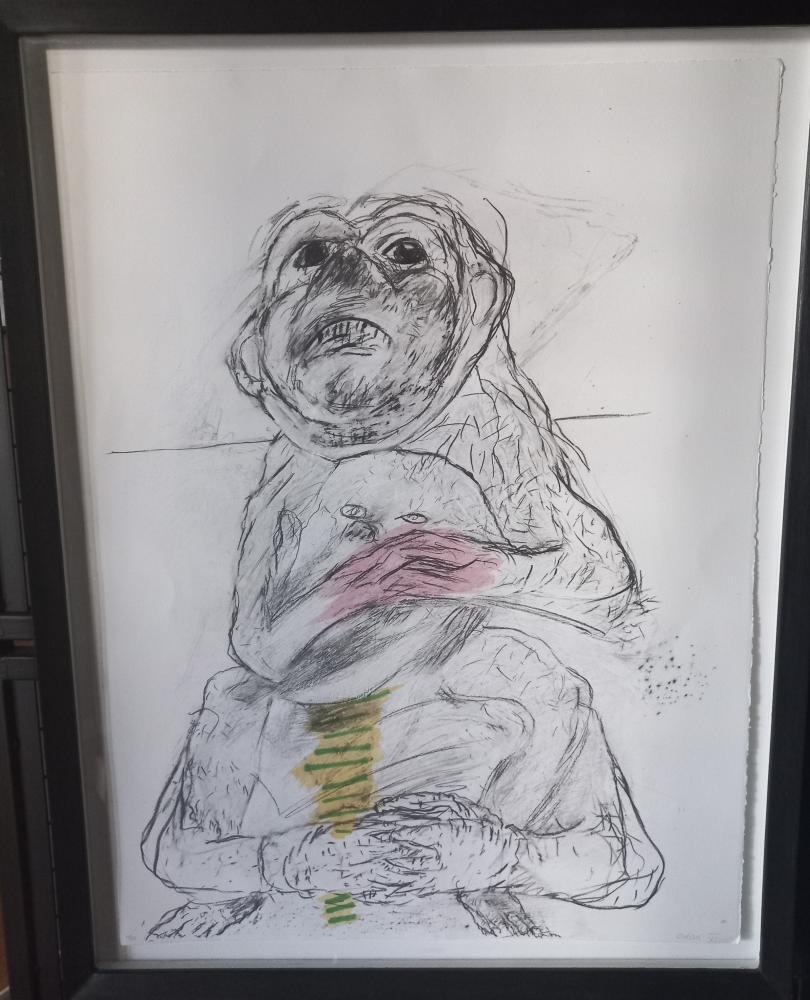
Albert Adams
Tethered Monkey
CCAC# 0002
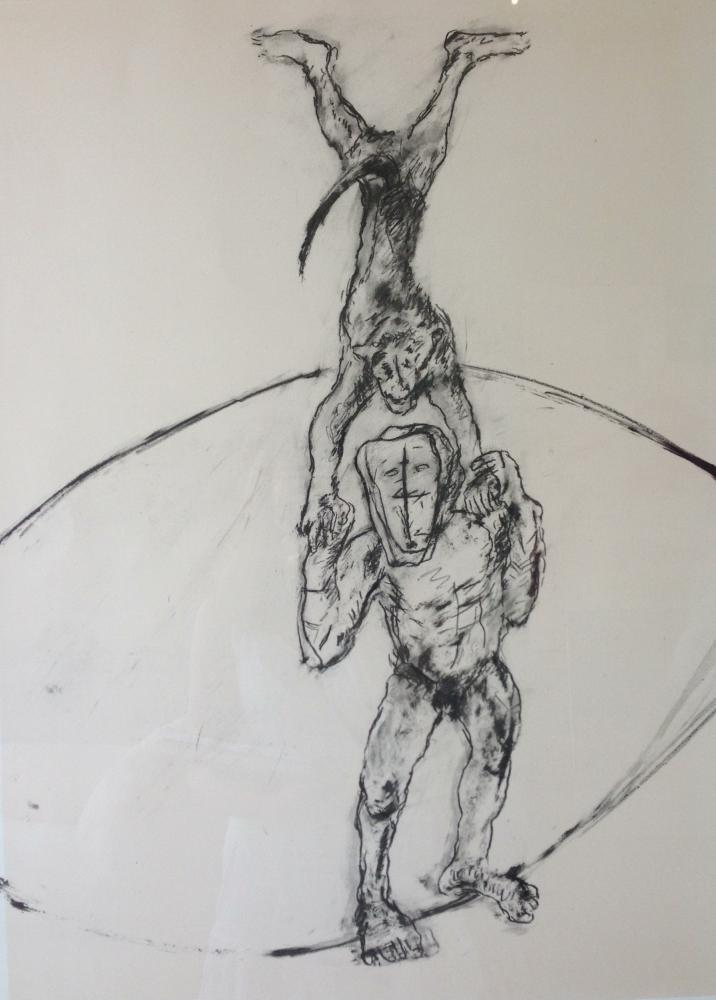
Albert Adams
Circus I
CCAC# 0003

Albert Adams
Circus II
CCAC# 0004
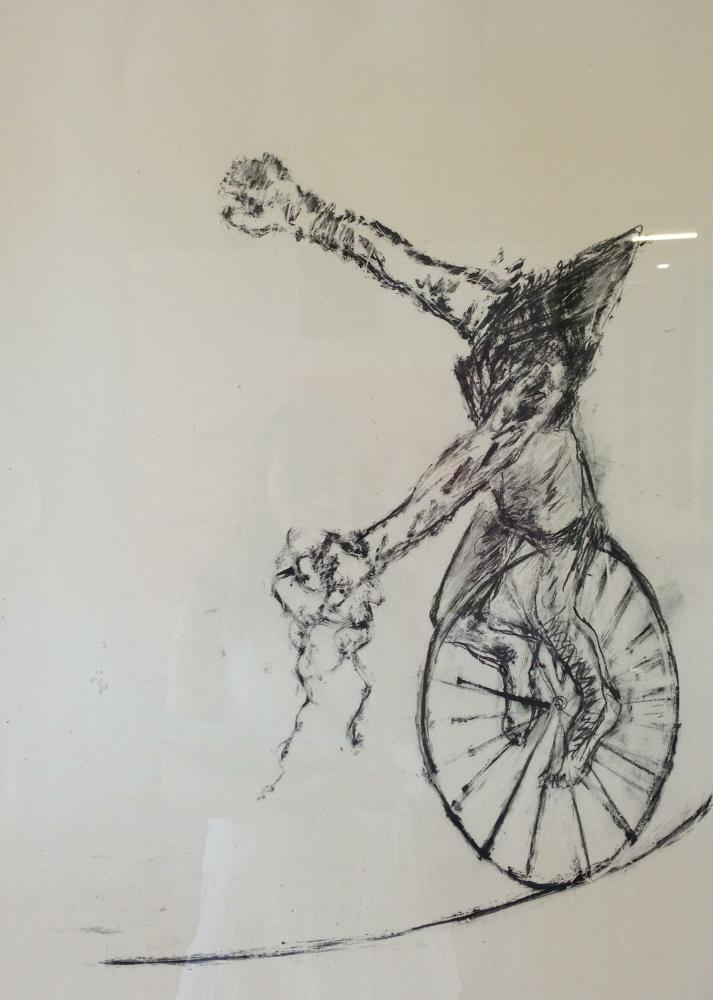
Albert Adams
Circus III
CCAC# 0005
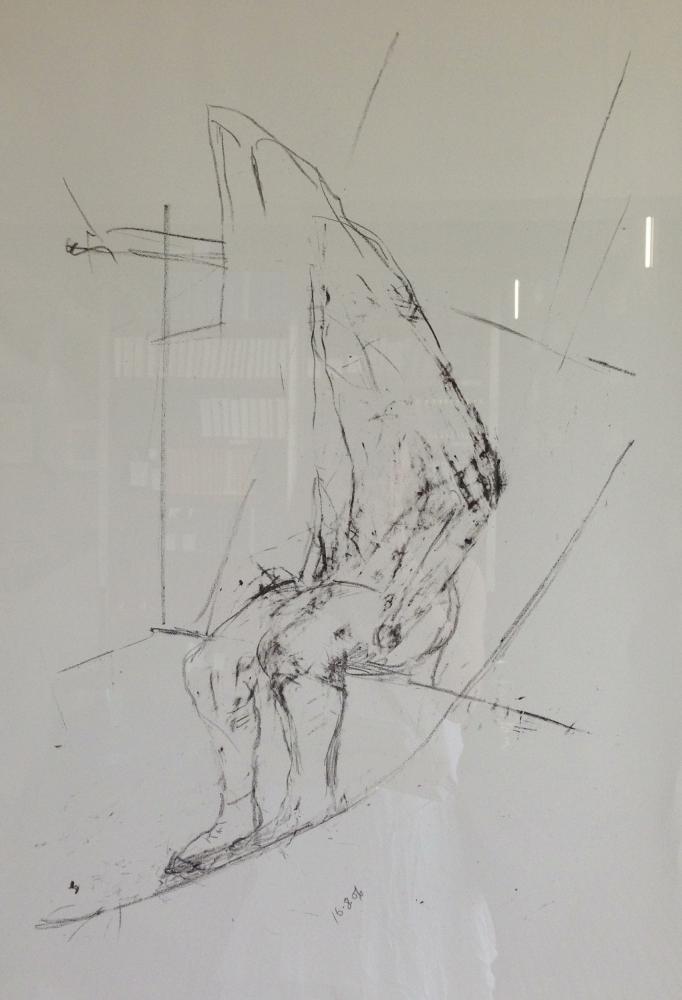
Albert Adams
Circus IV
CCAC# 0006
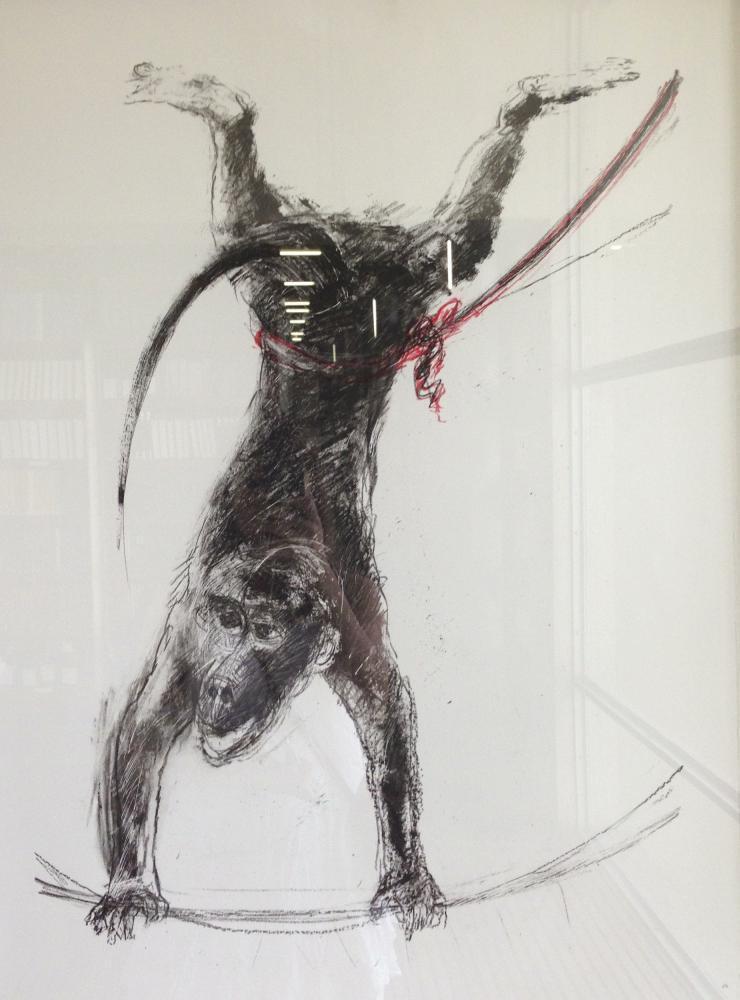
Albert Adams
Circus V
CCAC# 0007
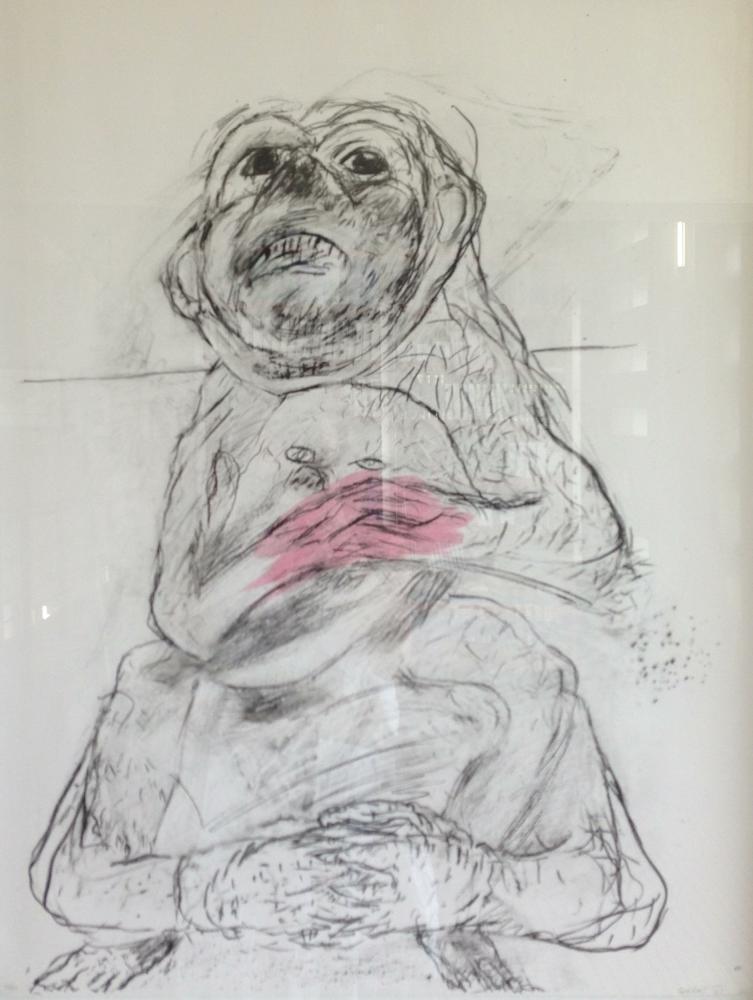
Albert Adams
Circus VI
CCAC# 0008