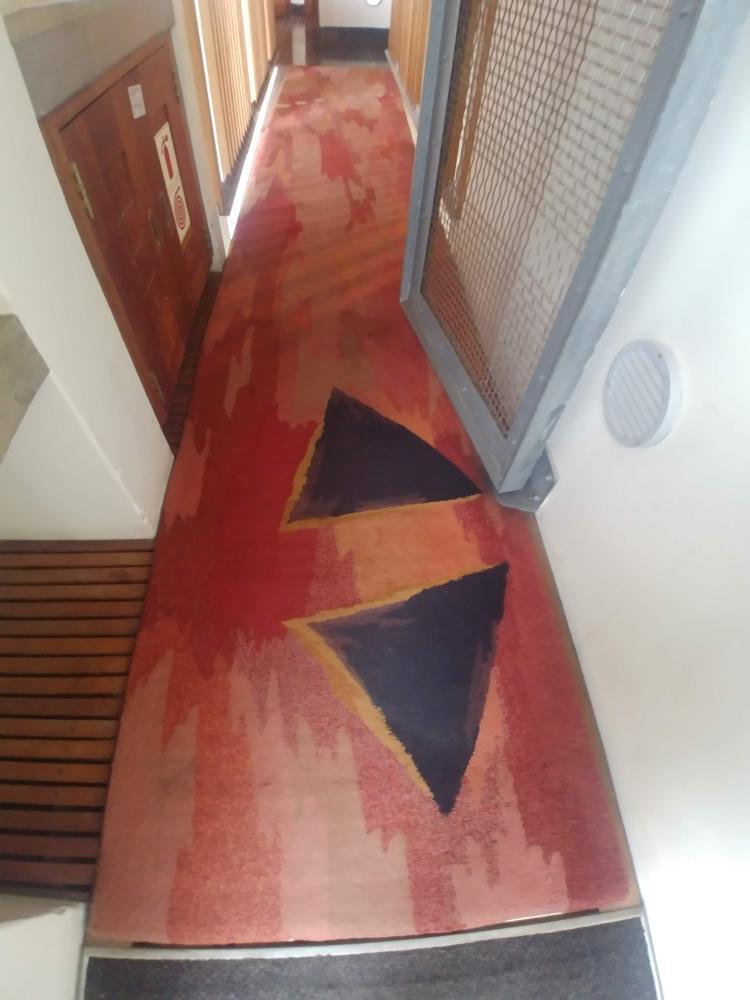
Romeo Zamane Makhanya
| Artist Name: | Romeo Zamane Makhanya |
| Nationality: | South African |
| Year of birth: | 1959 |
| Artist information: | Zamani Romeo Makhanya (b. 1959, Durban, KwaZulu-Natal) is a South African artist and educator whose work engages African spirituality, cultural memory, and the layered complexities of lived experience. His practice gives poetic visual form to themes of ancestry, ritual, and the metaphysical dimensions of everyday life. Makhanya studied Fine Art at the University of Fort Hare, enrolling in 1979 and graduating in 1985 with an Honours Degree in Fine Arts and a Higher Diploma in Education. During his studies, he received several awards, and his work entered both public and private collections. He went on to teach art at Ntuzuma College of Education from 1986 to 1999, a period during which his artistic production was largely secondary to his teaching commitments. His early work drew from photographic imagery found in newspapers and magazines, reflecting the political turbulence of 1980s South Africa under Apartheid. Although based in Alice, where Fort Hare is located, his visual language was shaped by the realities of township resistance and protest culture, often mediated through publications such as Drum magazine. A pivotal shift occurred in 1999, when institutional changes led to the phasing out of colleges of education, prompting his return to full-time artistic practice. This moment also marked a personal turning point, as Makhanya re-engaged with his creative work as a renewed life trajectory. This renewal was closely tied to his involvement in the artist collective 3rd Eye Vision, formed at 37 Crart Avenue in Glenwood, Durban—a site with a layered history as a former anti-apartheid publishing space and later a communal hub for artists. Among the collective’s members were Sifiso Ka-Mkame, Khwezi Gule, and Gabi Ngcobo. Within this context, Makhanya began collaborating with Ka-Mkame, adopting a distinctive oil pastel technique characterised by layered tonal applications that produce depth and symbolic density. This technique became central to his mature work, enabling him to explore themes of spiritual continuity, ancestral presence, and cyclical existence. In works such as Power of the Spirit World (2001), exhibited in Untold Tales of Magic: Abelumbi at the Durban Art Gallery, Makhanya combines figurative and abstract elements to articulate concepts of life, death, ritual, and destiny. His use of symbolic structures, including the number seven and the coexistence of sun and moon, reflects cosmological frameworks rooted in African belief systems. His solo exhibition The Unfolding Spirit (2003), held at the African Art Centre, marked a significant moment in his career and was a sell-out exhibition, affirming his re-emergence as a leading contemporary artist. Reference List Art Source Africa (n.d.) Zamani Makhanya. Available at: https://asai.co.za/artist/zamani-makhanya/ (Accessed: 22 April 2026). South African History Online (n.d.) Romeo Zamani Makhanya. Available at: https://sahistory.org.za/people/romeo-zamani-makhanya (Accessed: 22 April 2026). |
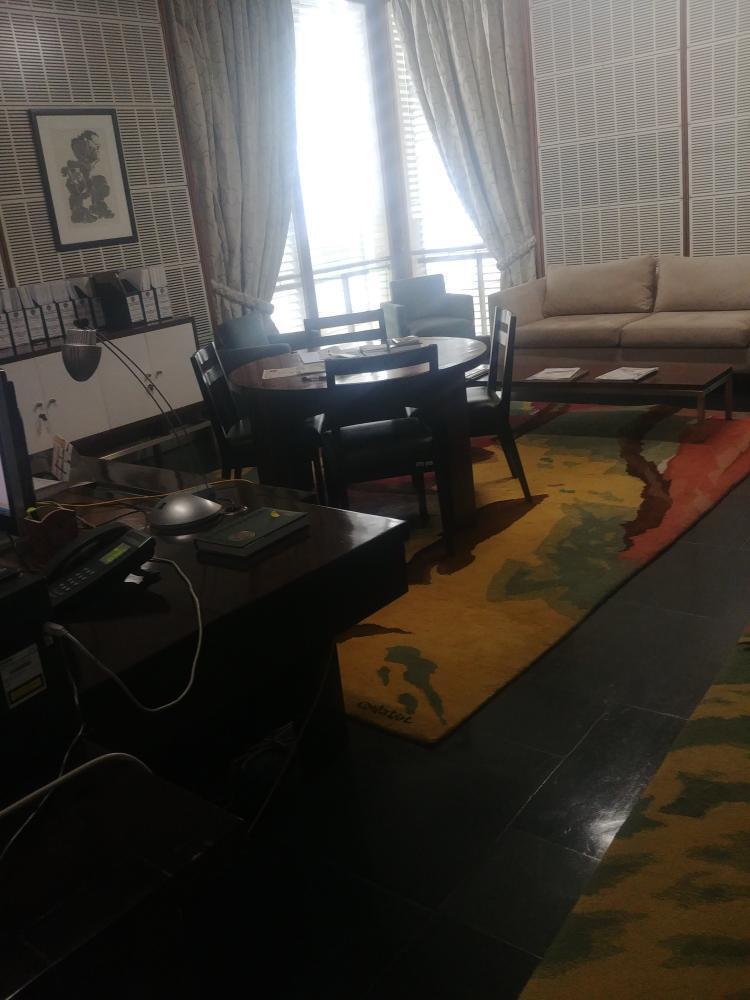
Romeo Zamane Makhanya
Sifiso Ka-Mkame
Court Carpet
CCAC# 0537A
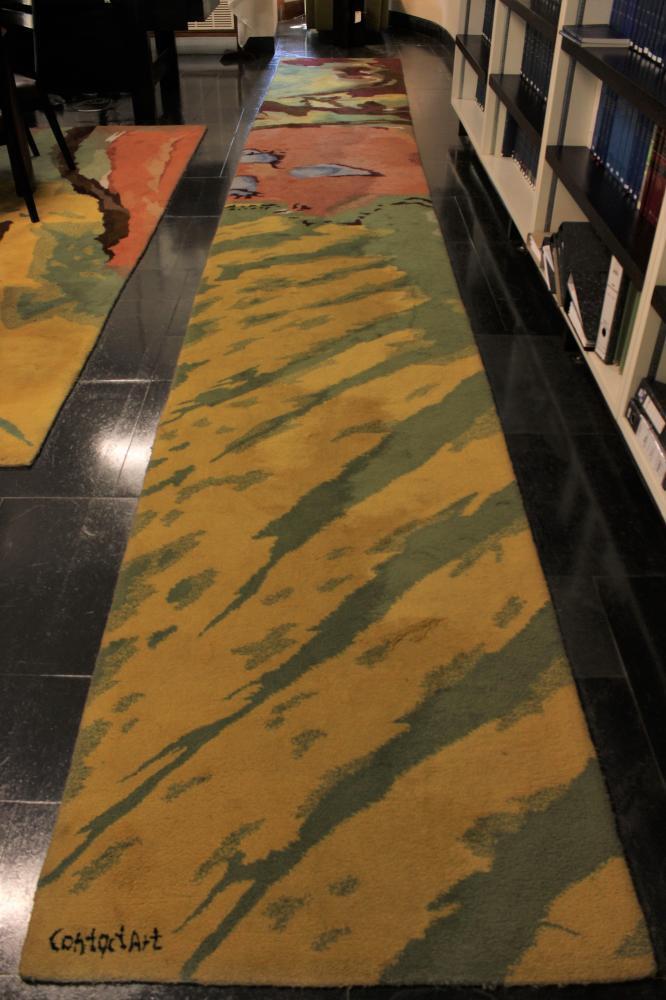
Romeo Zamane Makhanya
Sifiso Ka-Mkame
Court Carpet
CCAC# 0537B
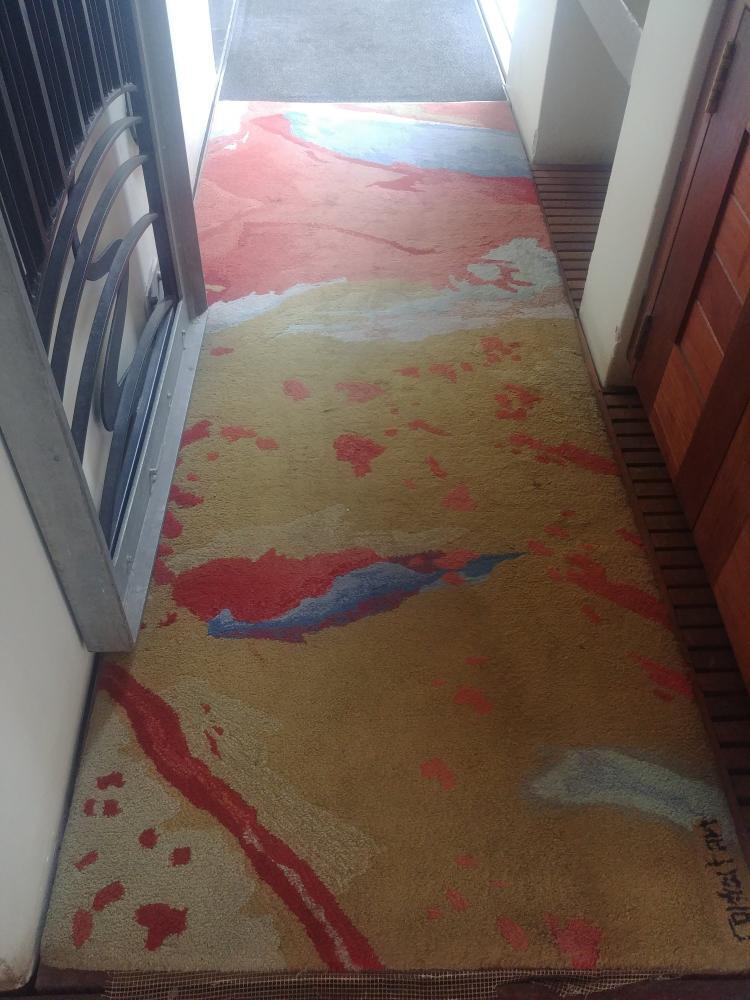
Romeo Zamane Makhanya
Sifiso Ka-Mkame
Court Carpet
CCAC# 0537C

Romeo Zamane Makhanya
Sifiso Ka-Mkame
Court Carpet
CCAC# 0538A
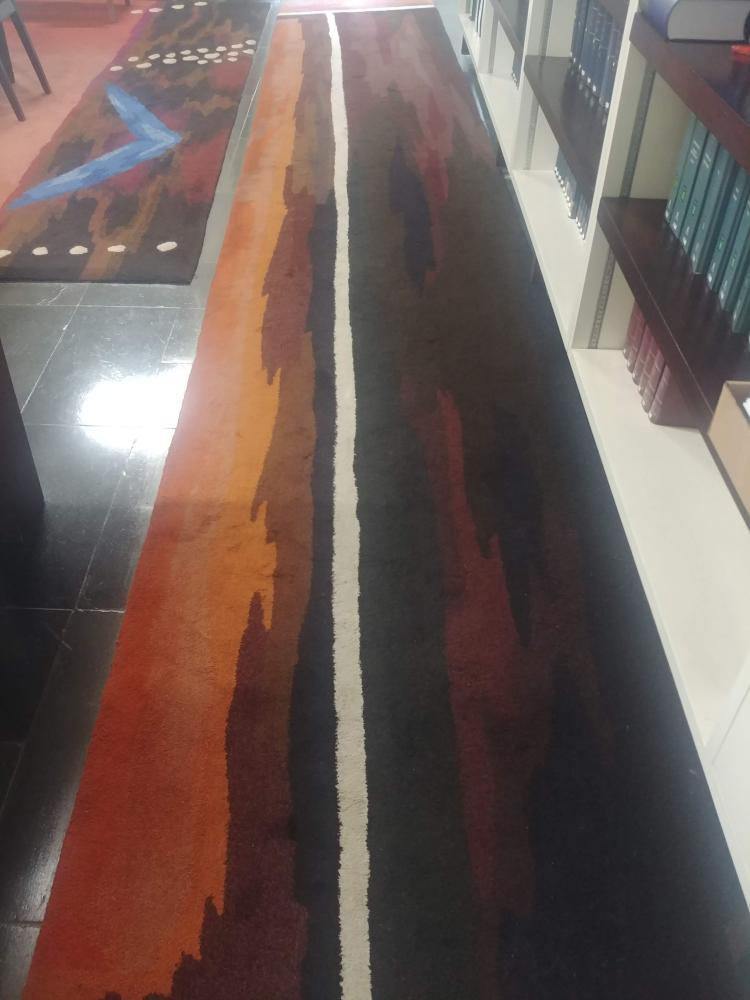
Romeo Zamane Makhanya
Sifiso Ka-Mkame
Judges' Chamber Carpet
CCAC# 0538B
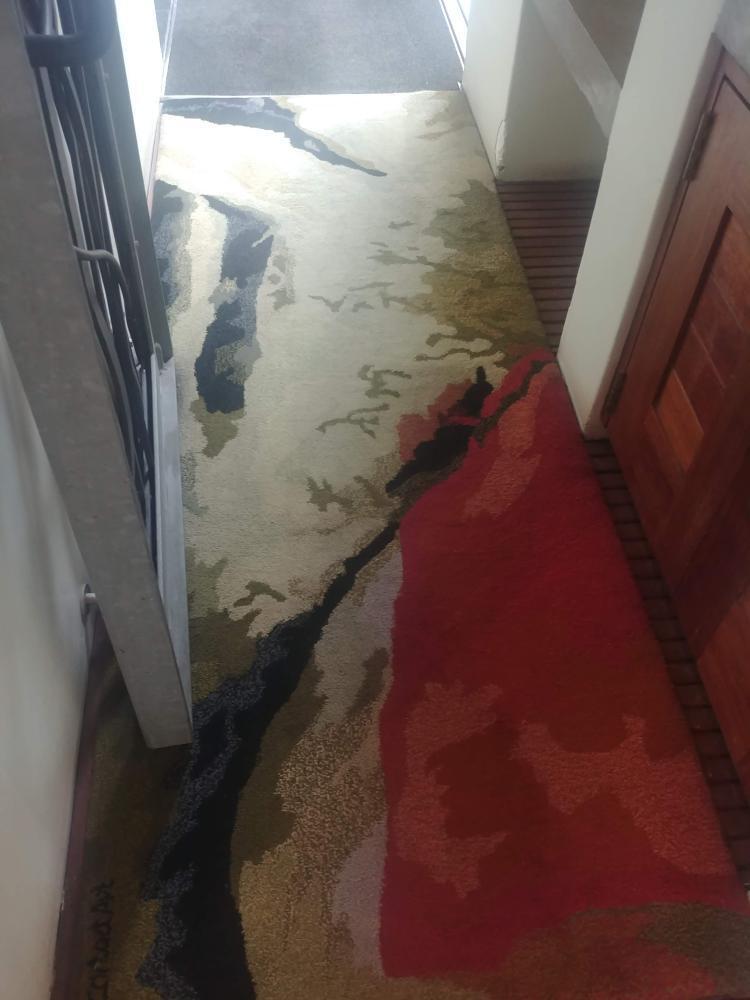
Romeo Zamane Makhanya
Sifiso Ka-Mkame
Court Carpet
CCAC# 0538C
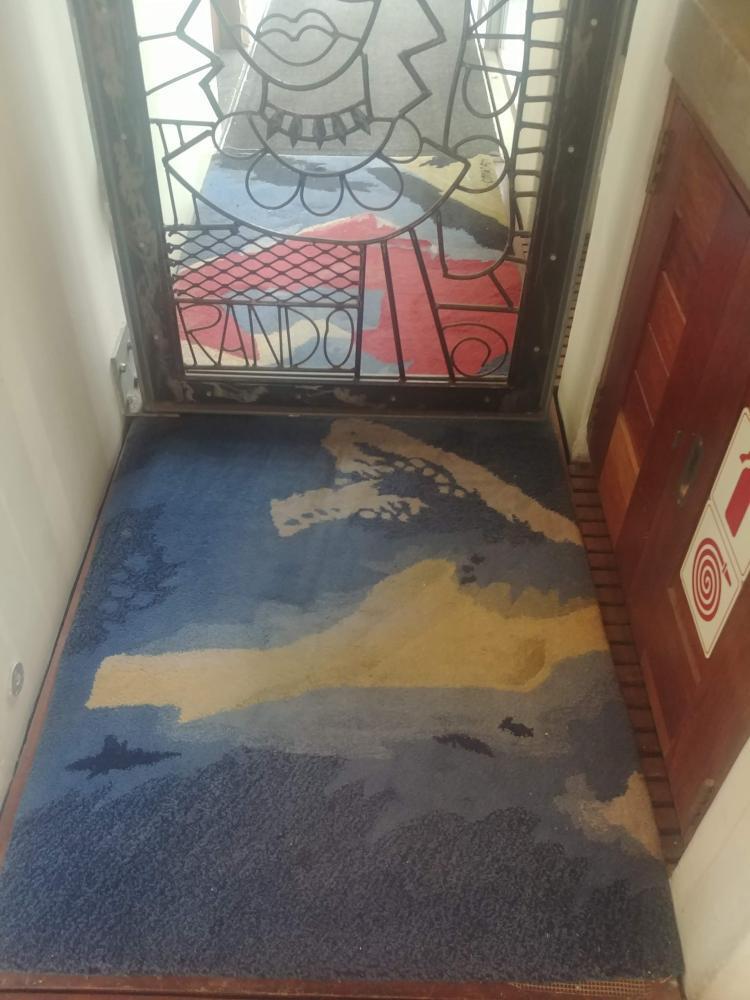
Romeo Zamane Makhanya
Sifiso Ka-Mkame
Court Carpet
CCAC# 0539C
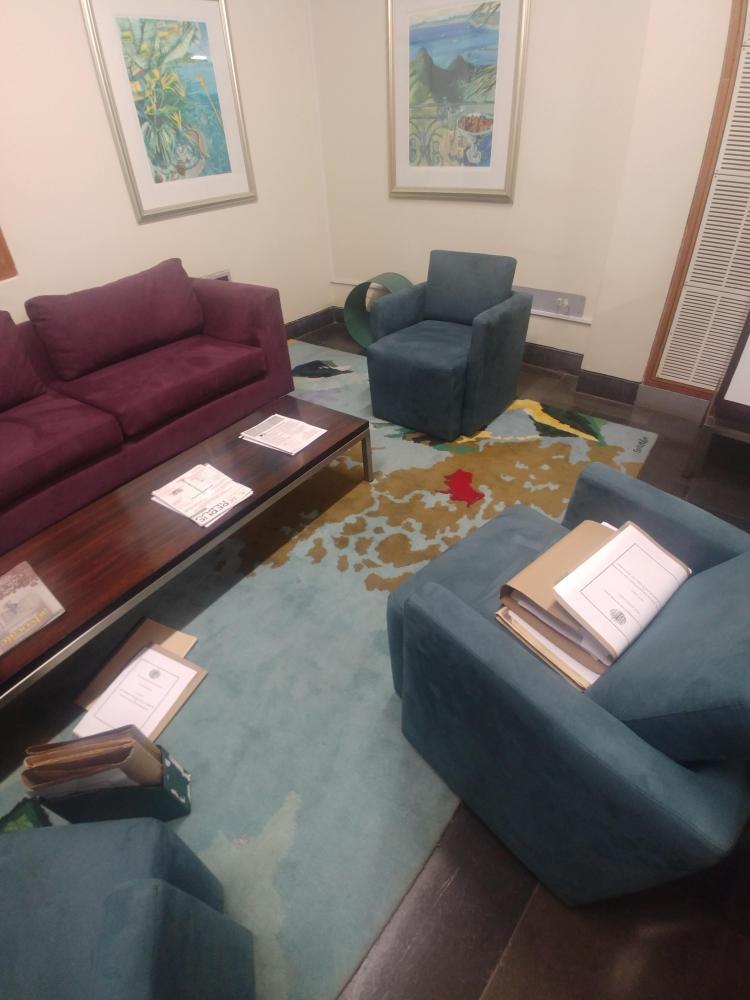
Romeo Zamane Makhanya
Sifiso Ka-Mkame
Court Carpet
CCAC# 0540A
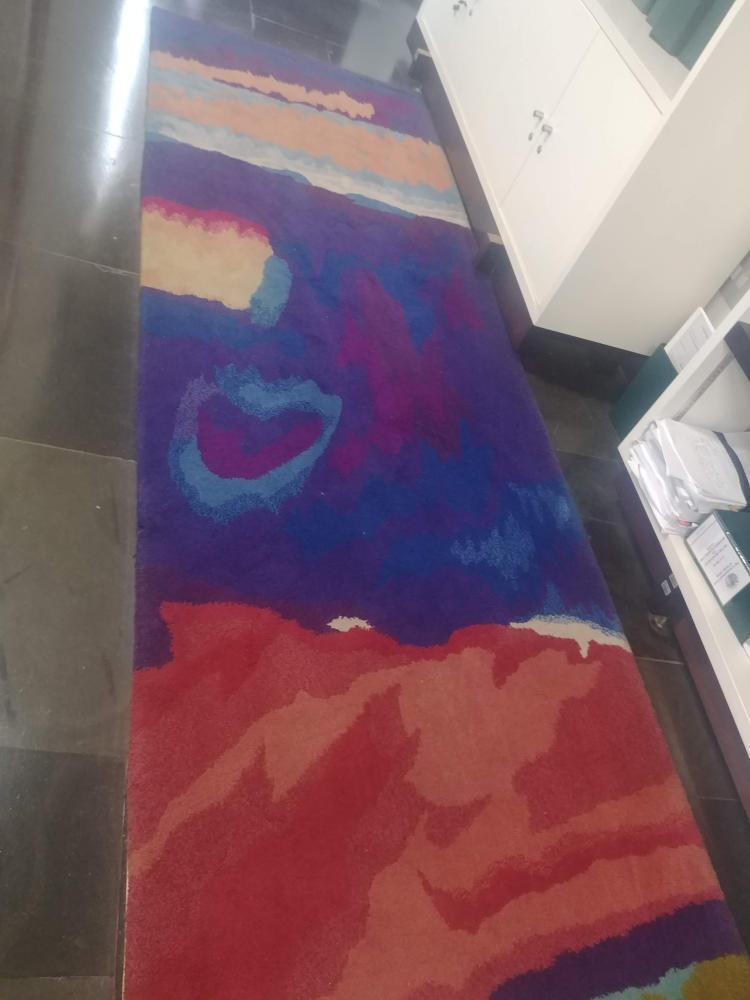
Romeo Zamane Makhanya
Sifiso Ka-Mkame
Court Carpet
CCAC# 0540B
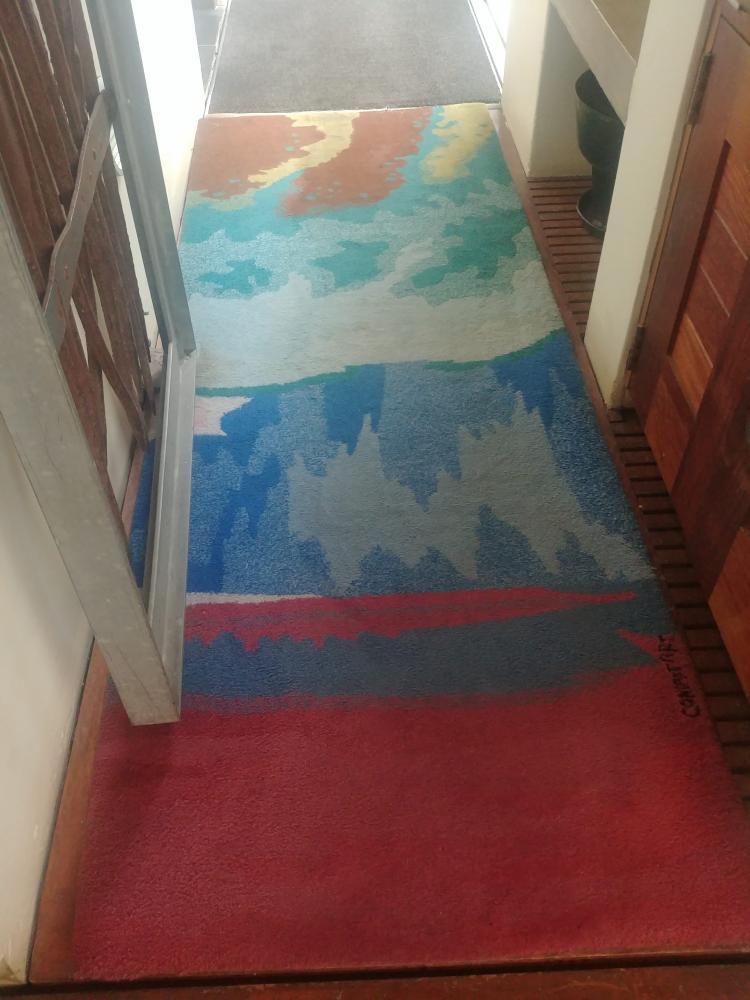
Romeo Zamane Makhanya
Sifiso Ka-Mkame
Court Carpet
CCAC# 0540C
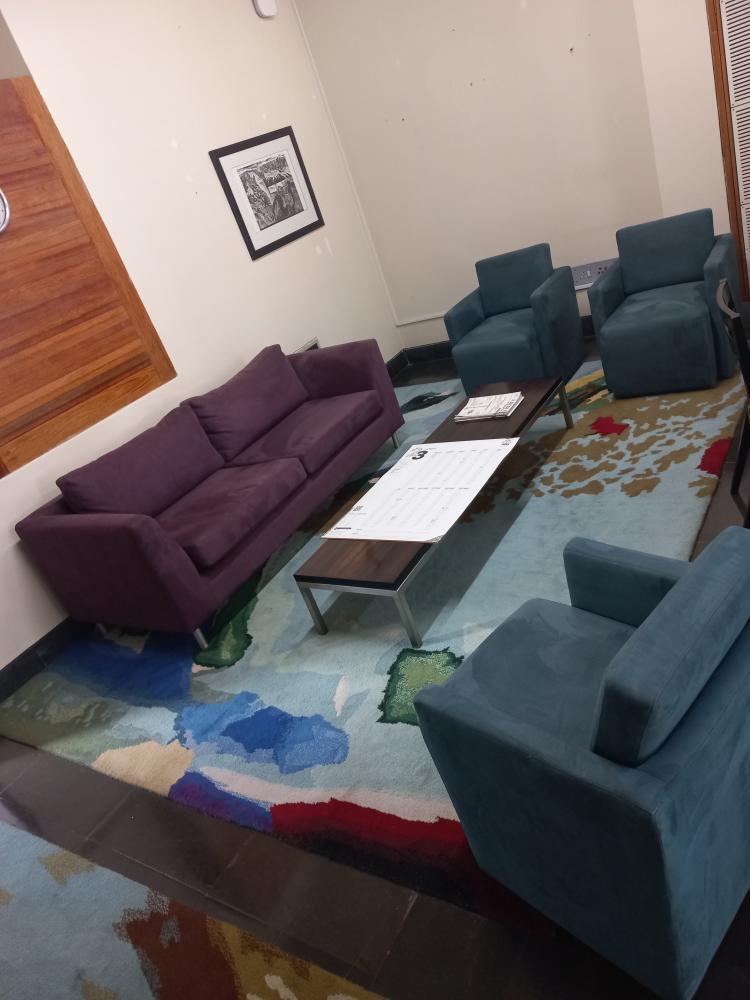
Romeo Zamane Makhanya
Sifiso Ka-Mkame
Court Carpet
CCAC# 0541A
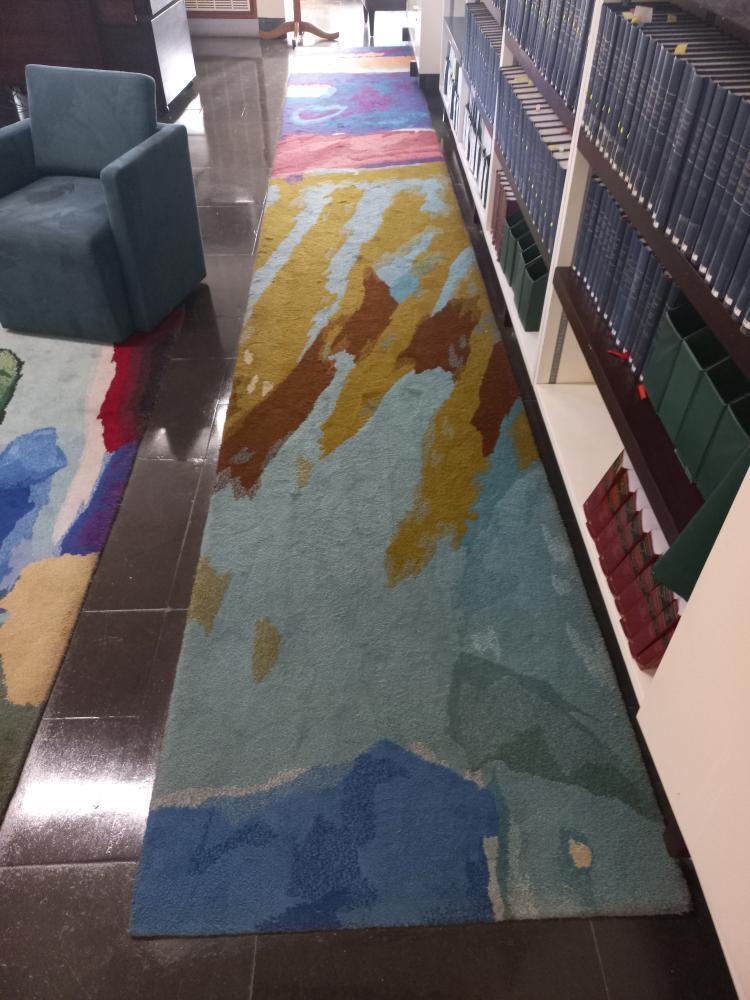
Romeo Zamane Makhanya
Sifiso Ka-Mkame
Court Carpet
CCAC# 0541B
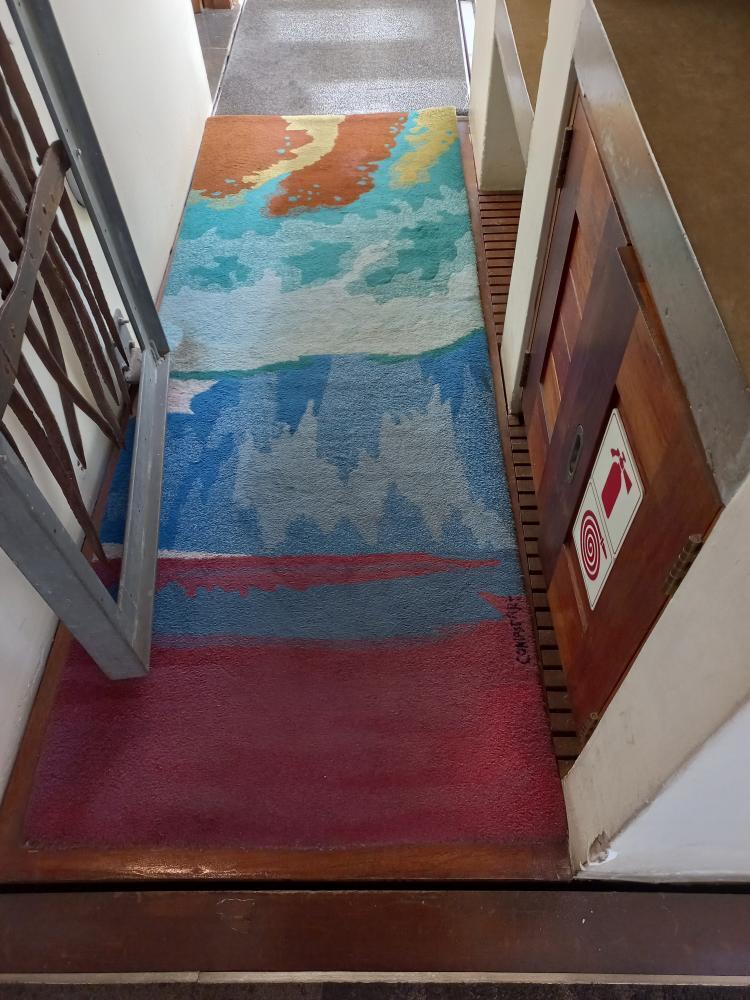
Romeo Zamane Makhanya
Sifiso Ka-Mkame
Court Carpet
CCAC# 0541C
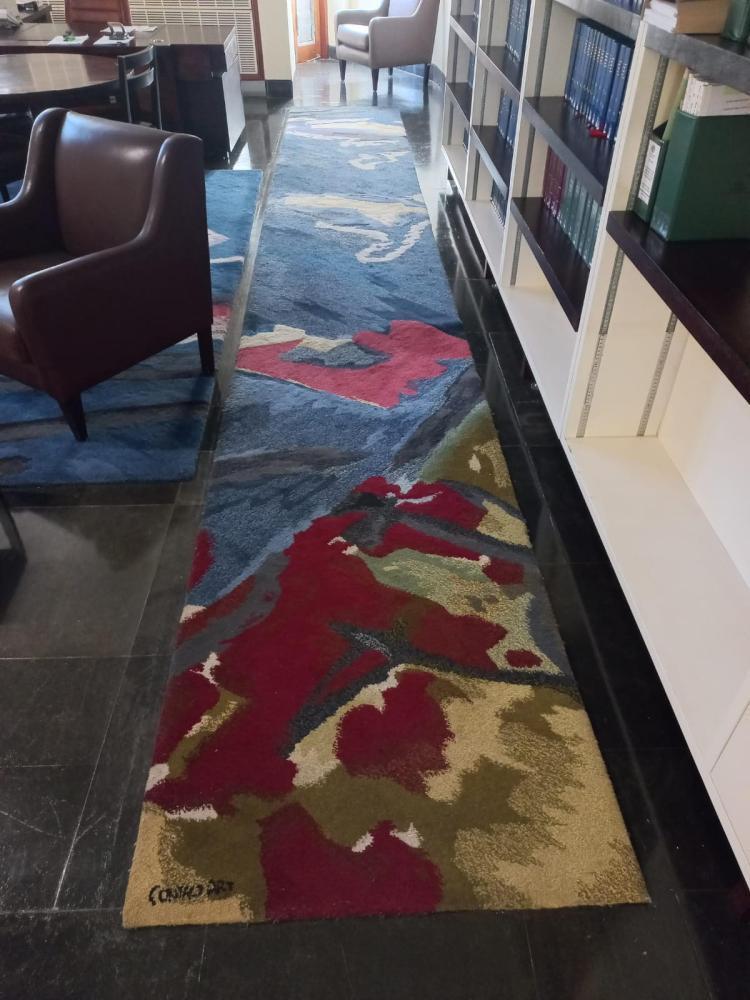
Romeo Zamane Makhanya
Sifiso Ka-Mkame
Court Carpet
CCAC# 0543A
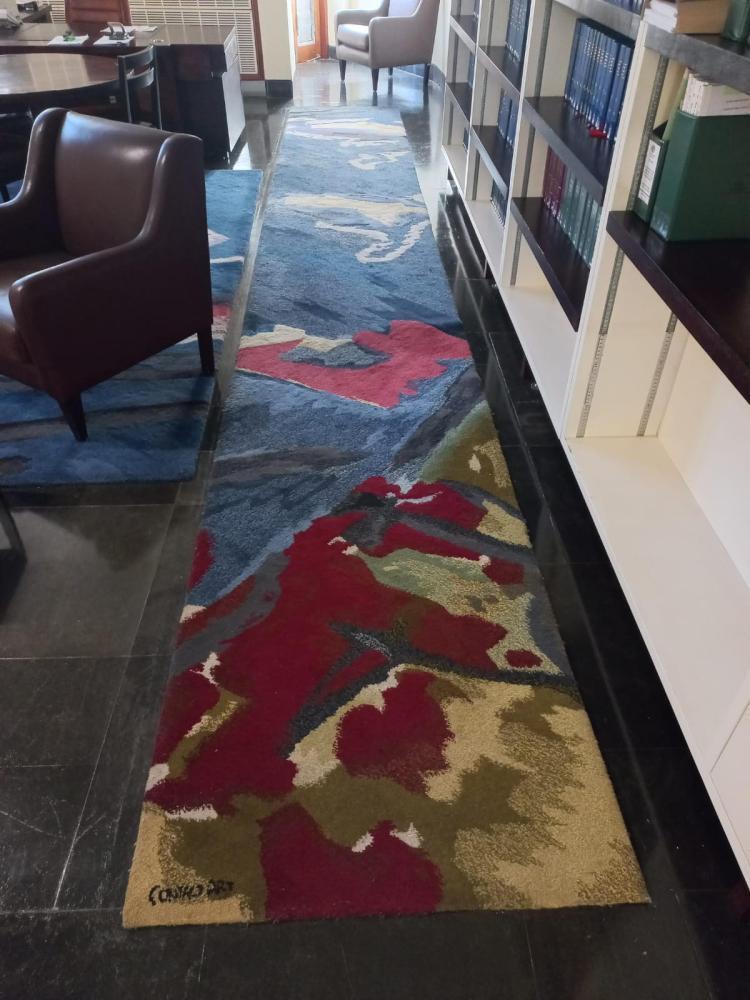
Romeo Zamane Makhanya
Sifiso Ka-Mkame
Court Carpet
CCAC# 0543B
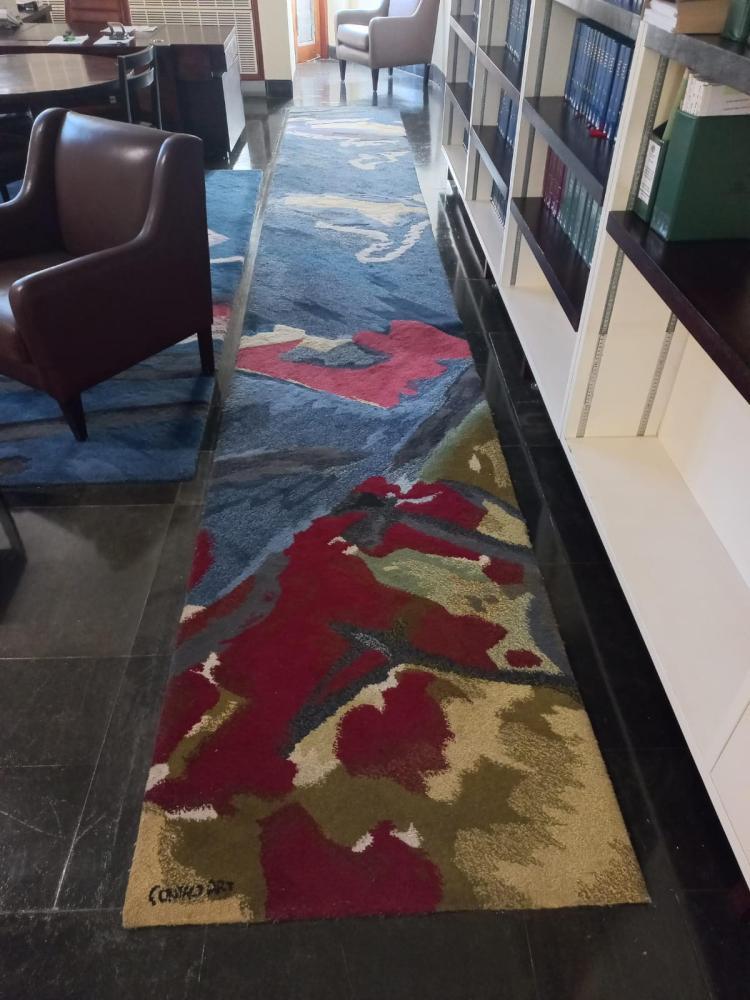
Romeo Zamane Makhanya
Sifiso Ka-Mkame
Court Carpet
CCAC# 0543C
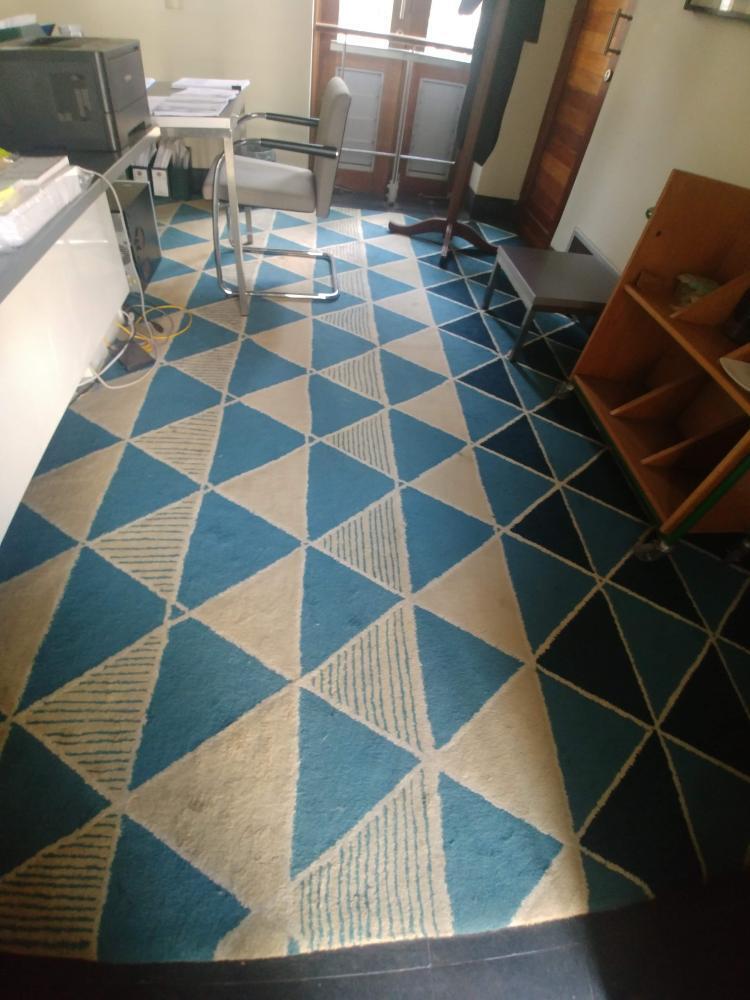
Romeo Zamane Makhanya
Sifiso Ka-Mkame
Court Carpet
CCAC# 0545A
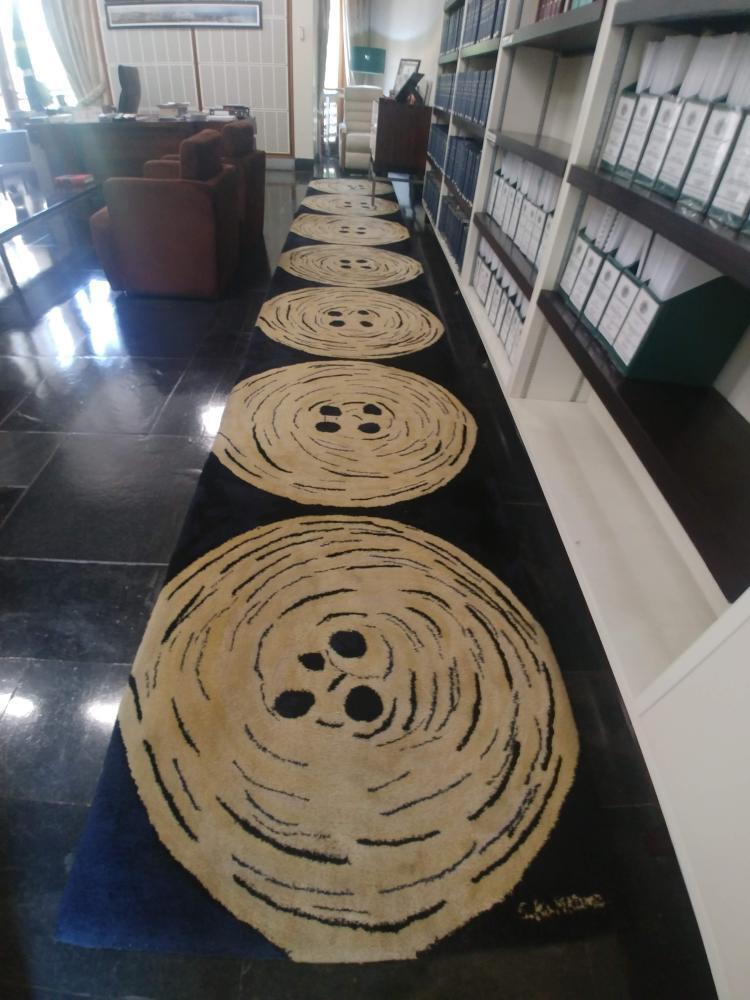
Romeo Zamane Makhanya
Sifiso Ka-Mkame
Court Carpet
CCAC# 0545B
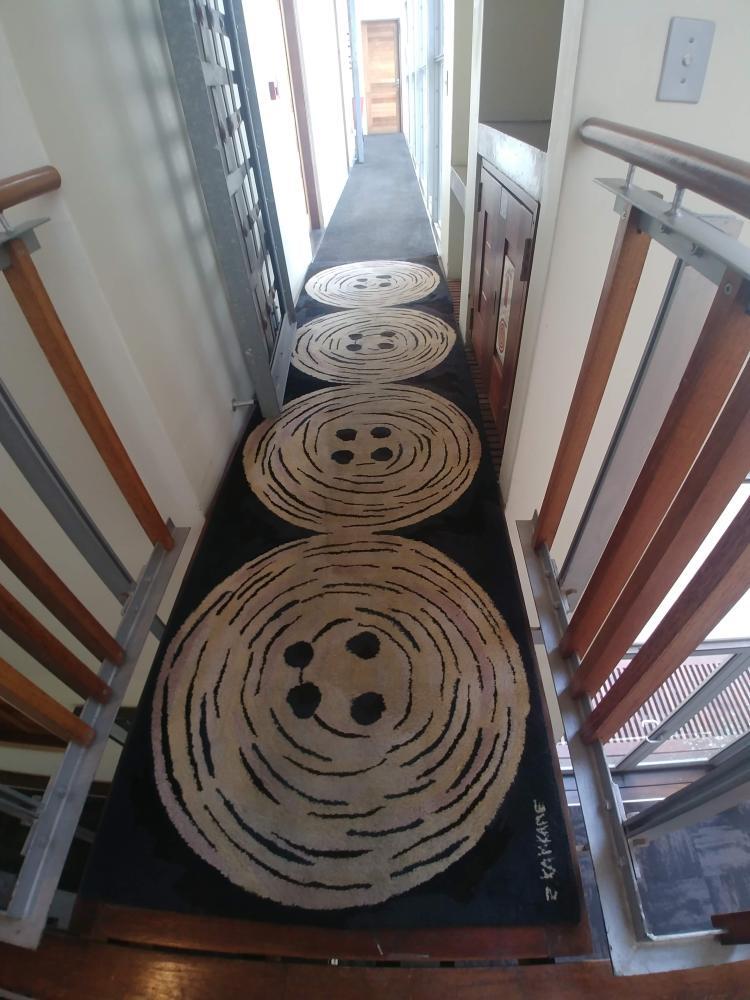
Romeo Zamane Makhanya
Sifiso Ka-Mkame
Court Carpet
CCAC# 0545C
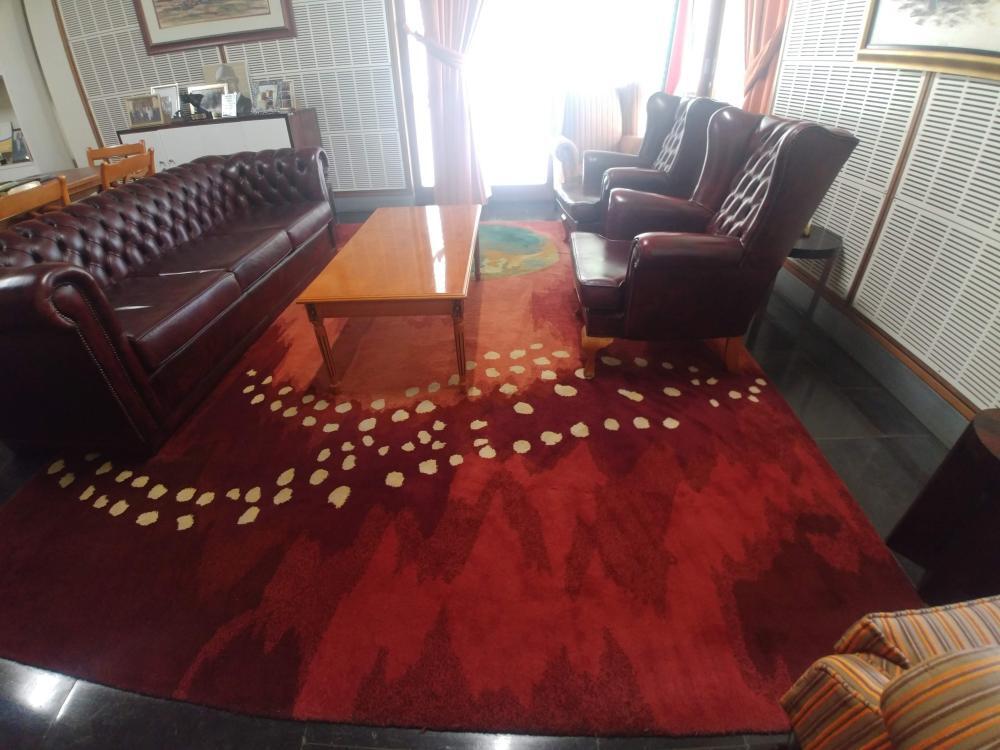
Romeo Zamane Makhanya
Sifiso Ka-Mkame
Court Carpet
CCAC# 0547A
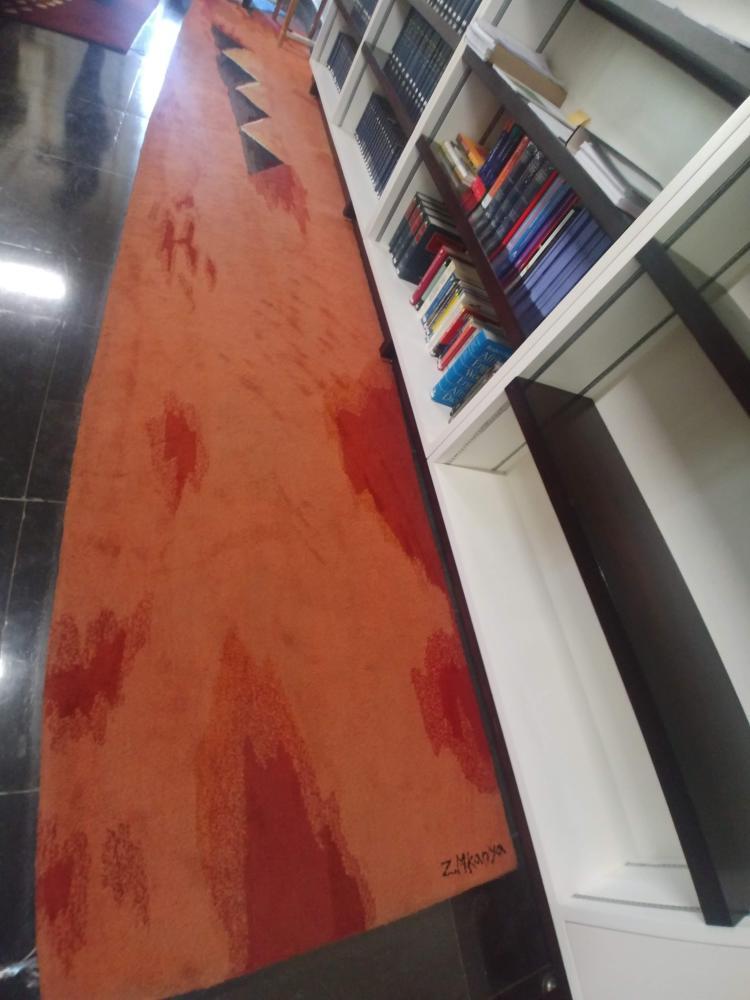
Romeo Zamane Makhanya
Sifiso Ka-Mkame
Court Carpet
CCAC# 0547B
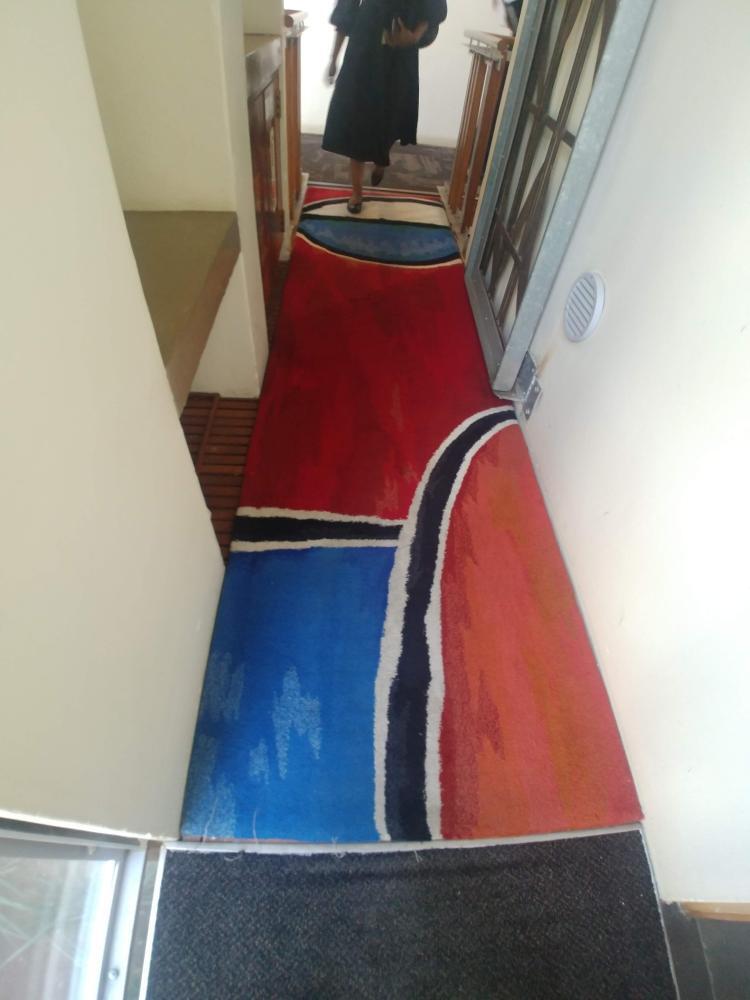
Romeo Zamane Makhanya
Sifiso Ka-Mkame
Court Carpet
CCAC# 0547C
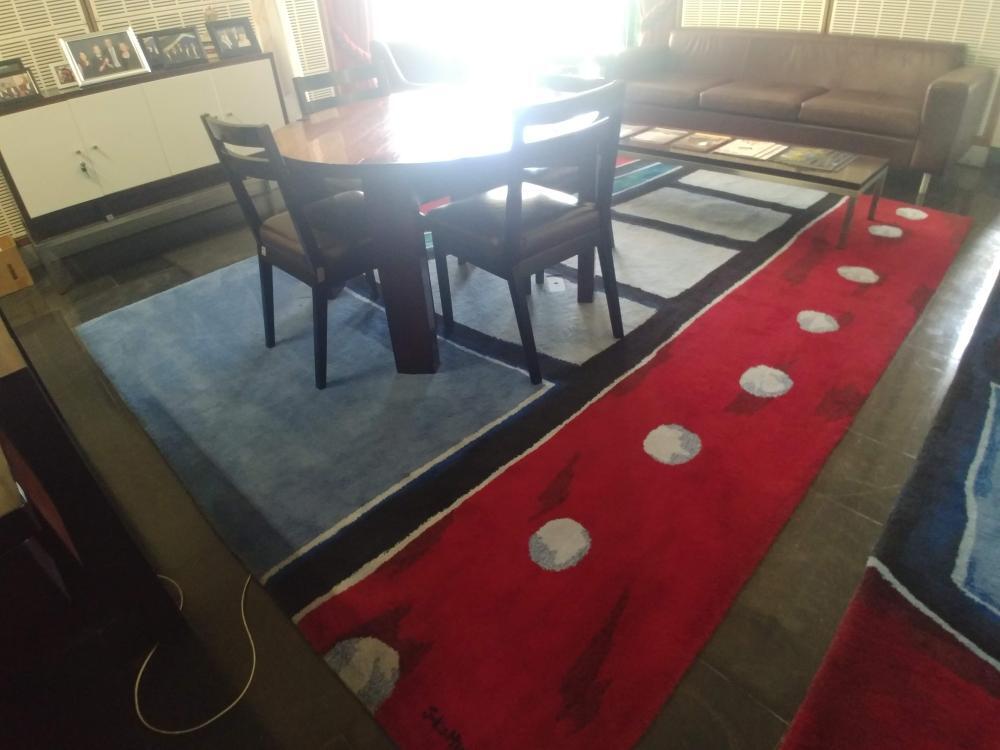
Romeo Zamane Makhanya
Sifiso Ka-Mkame
Court Carpet
CCAC# 0548A
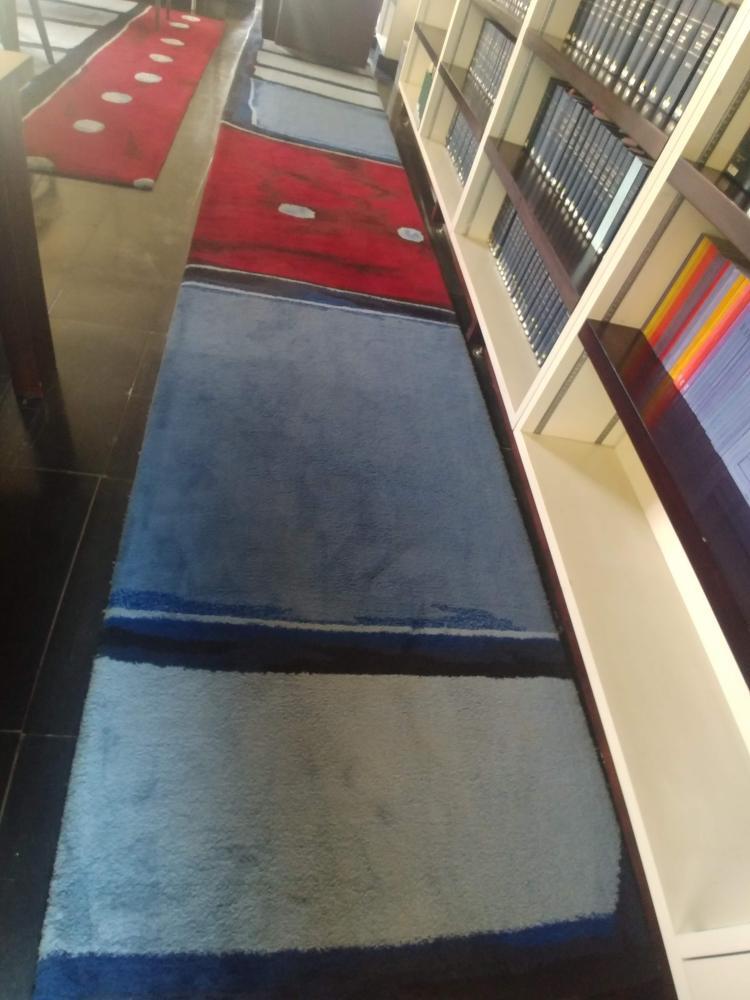
Romeo Zamane Makhanya
Sifiso Ka-Mkame
Court Carpet
CCAC# 0548B
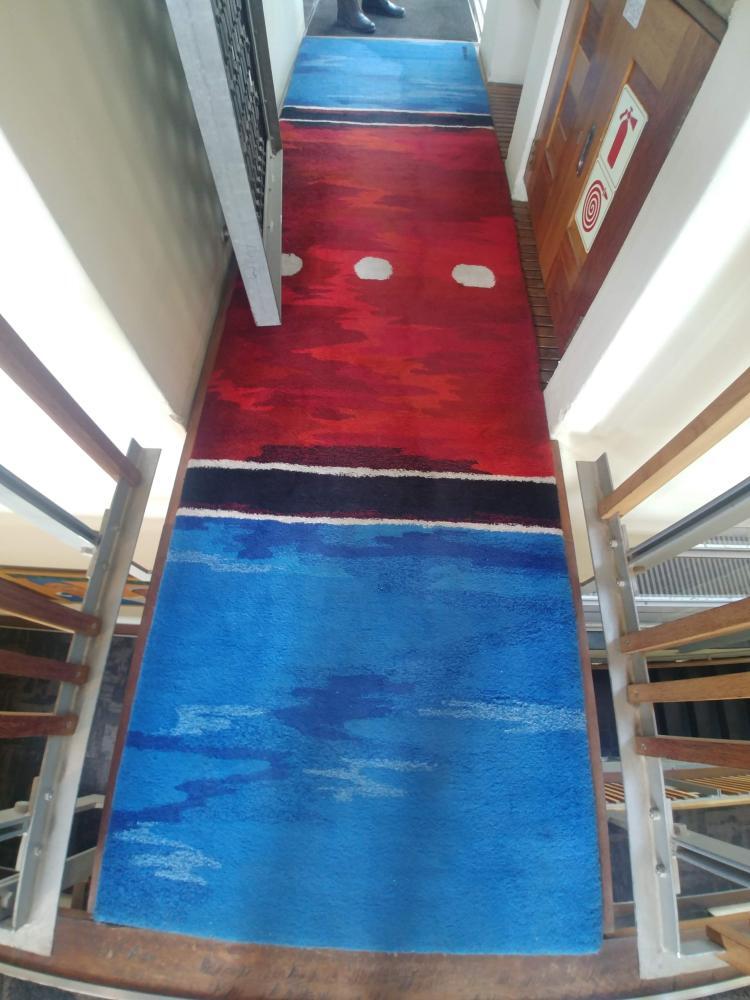
Romeo Zamane Makhanya
Sifiso Ka-Mkame
Court Carpet
CCAC# 0548C
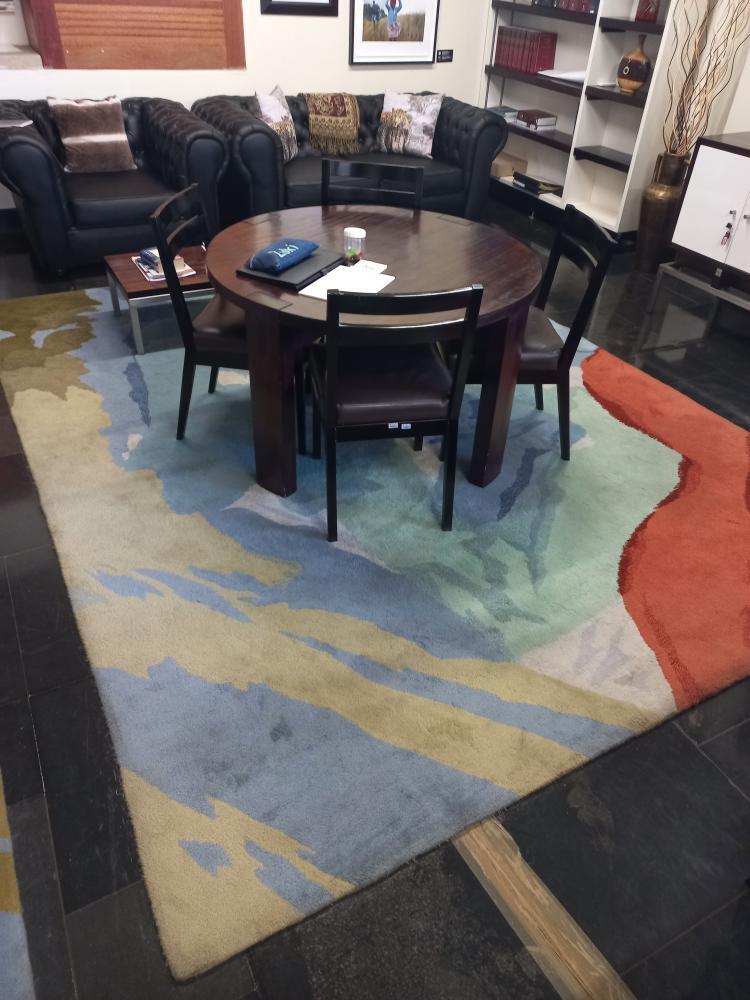
Romeo Zamane Makhanya
Sifiso Ka-Mkame
Court Carpet
CCAC# 0549A
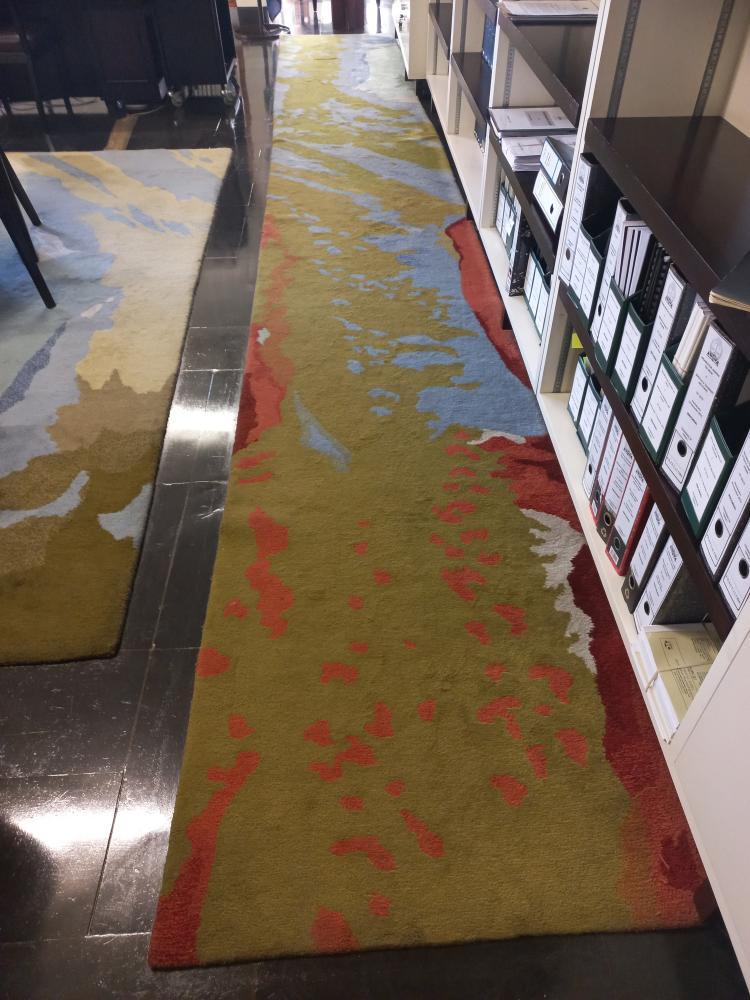
Romeo Zamane Makhanya
Sifiso Ka-Mkame
Court Carpet
CCAC# 0549B
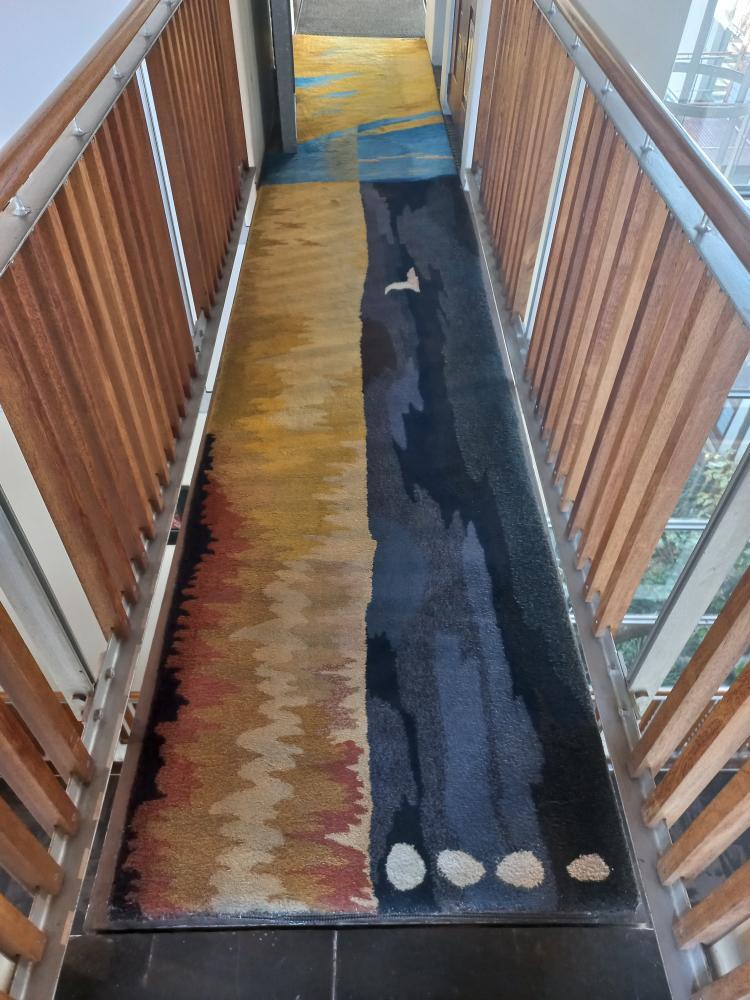
Romeo Zamane Makhanya
Sifiso Ka-Mkame
Court Carpet
CCAC# 0549C
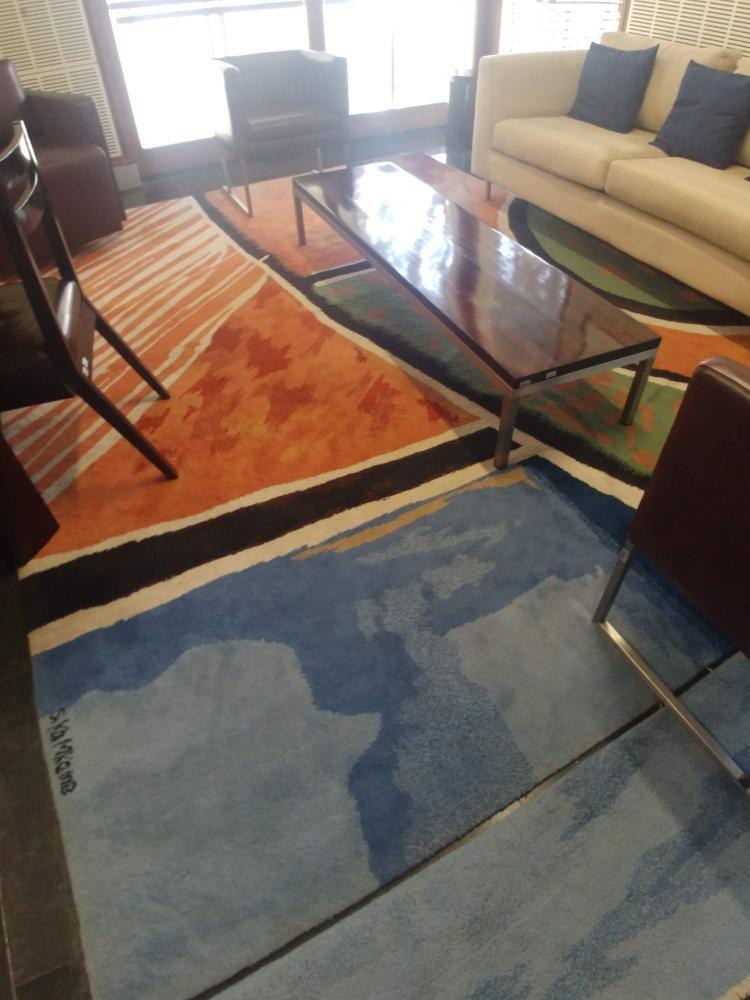
Romeo Zamane Makhanya
Sifiso Ka-Mkame
Court Carpet
CCAC# 0550A
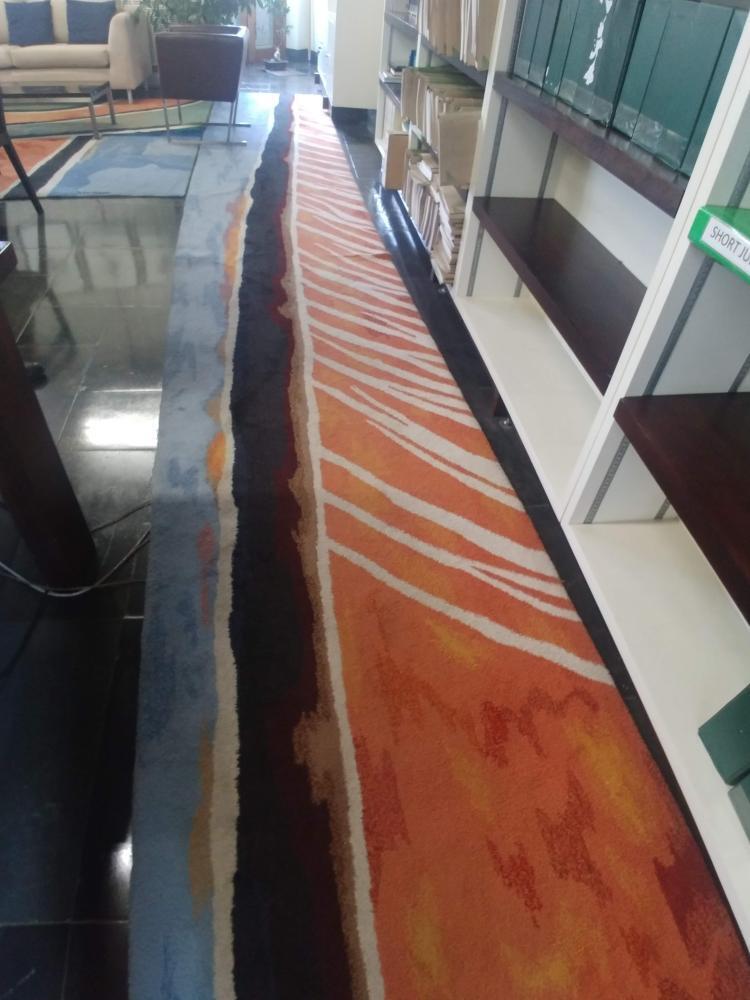
Romeo Zamane Makhanya
Sifiso Ka-Mkame
Court Carpet
CCAC# 0550B
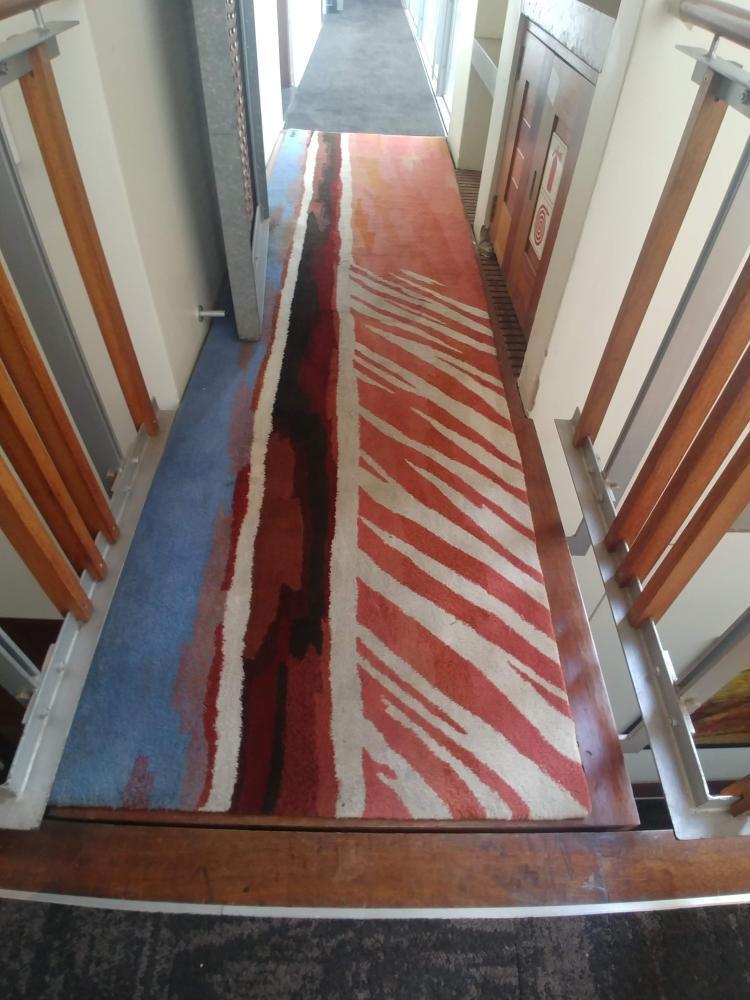
Romeo Zamane Makhanya
Sifiso Ka-Mkame
Court Carpet
CCAC# 0550C
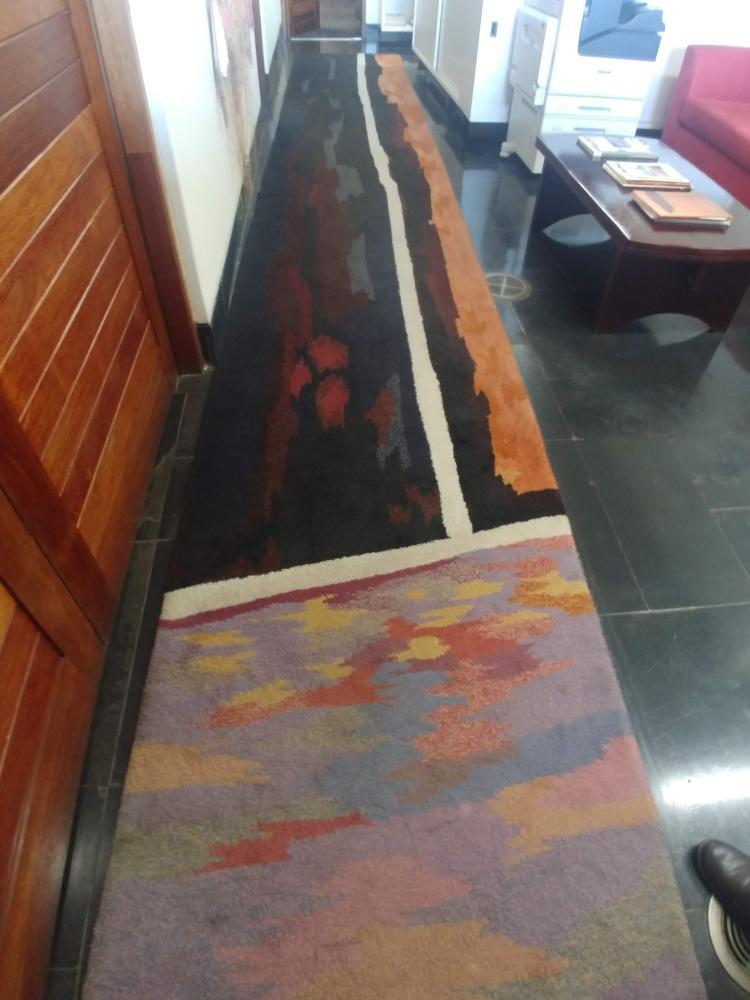
Romeo Zamane Makhanya
Sifiso Ka-Mkame
Court Carpet
CCAC# 0551B

Romeo Zamane Makhanya
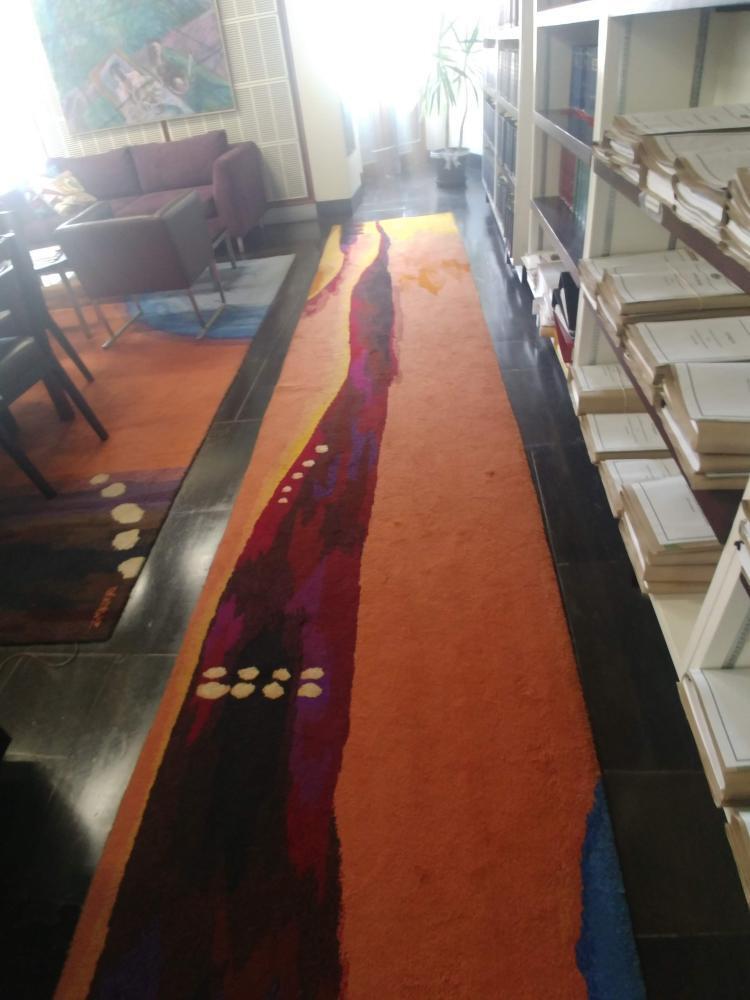
Sifiso Ka-Mkame
Court Carpet
CCAC# 0557A
Romeo Zamane Makhanya
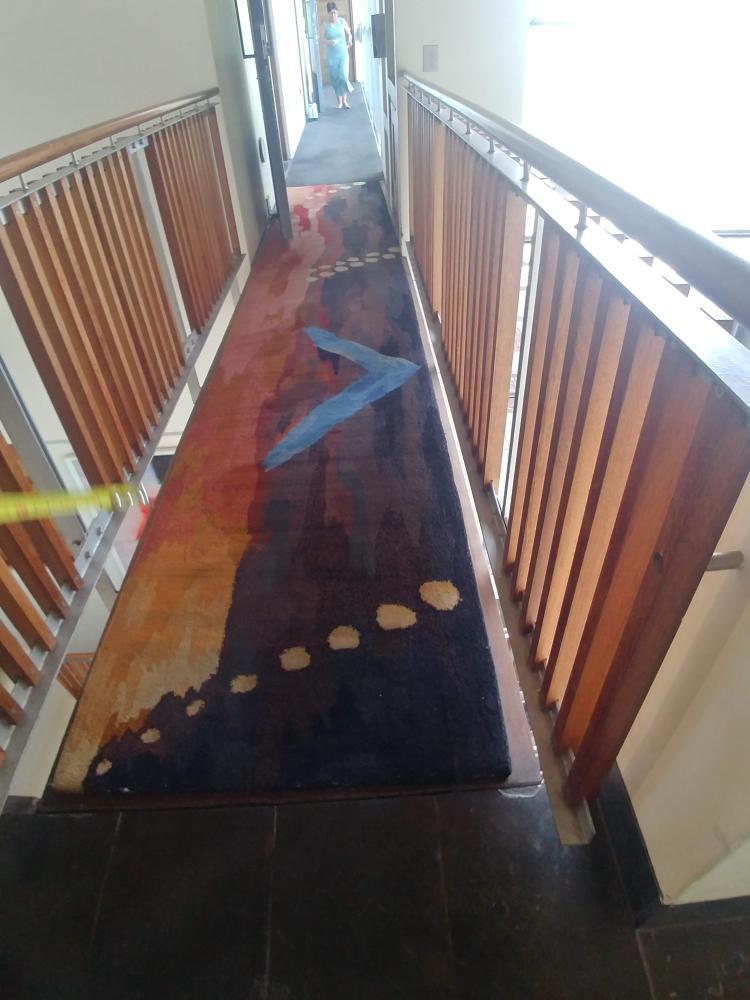
Sifiso Ka-Mkame
Court Carpet
CCAC# 0557B
Romeo Zamane Makhanya
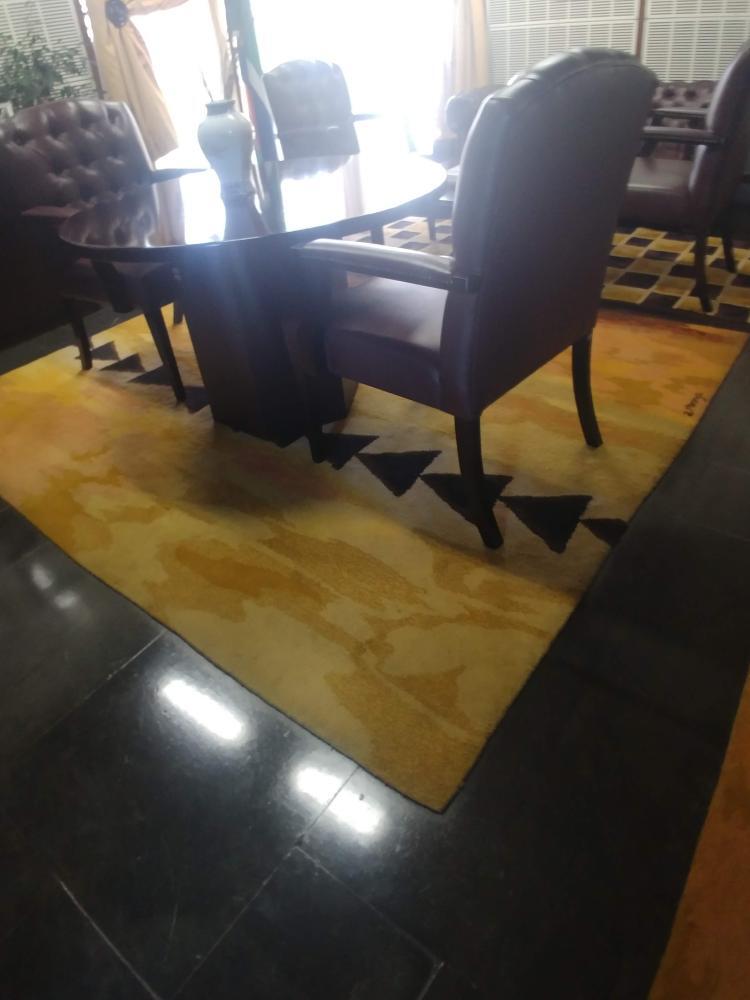
Sifiso Ka-Mkame
Court Carpet
CCAC# 0557C
Romeo Zamane Makhanya
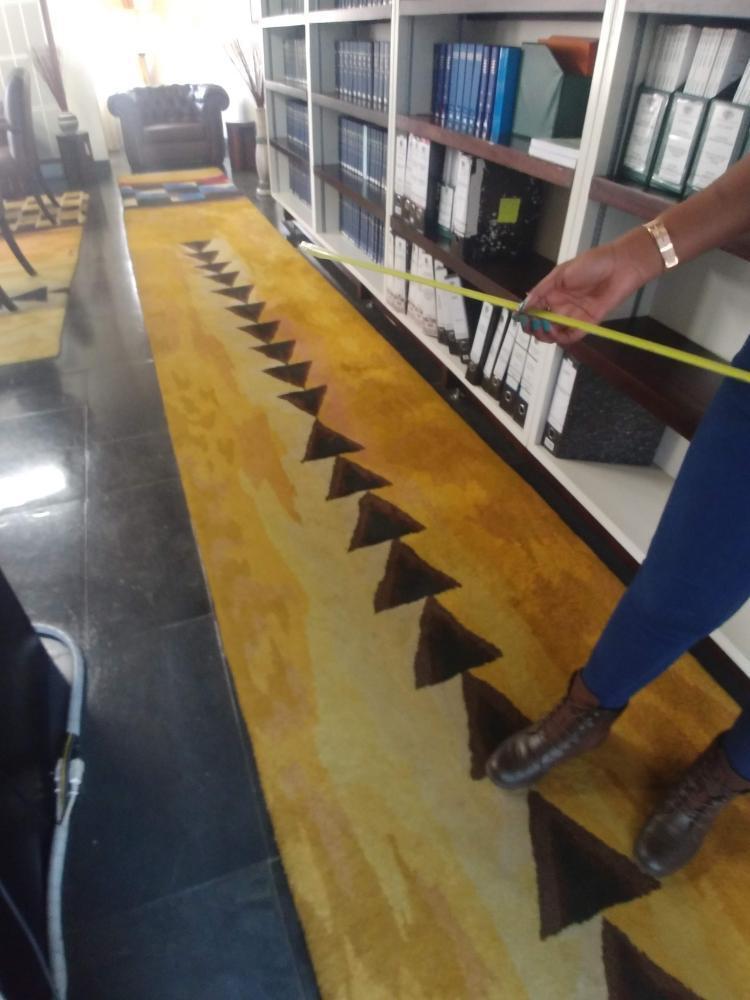
Sifiso Ka-Mkame
Court Carpet
CCAC# 0558A
Romeo Zamane Makhanya
Sifiso Ka-Mkame
Court Carpet
CCAC# 0558B
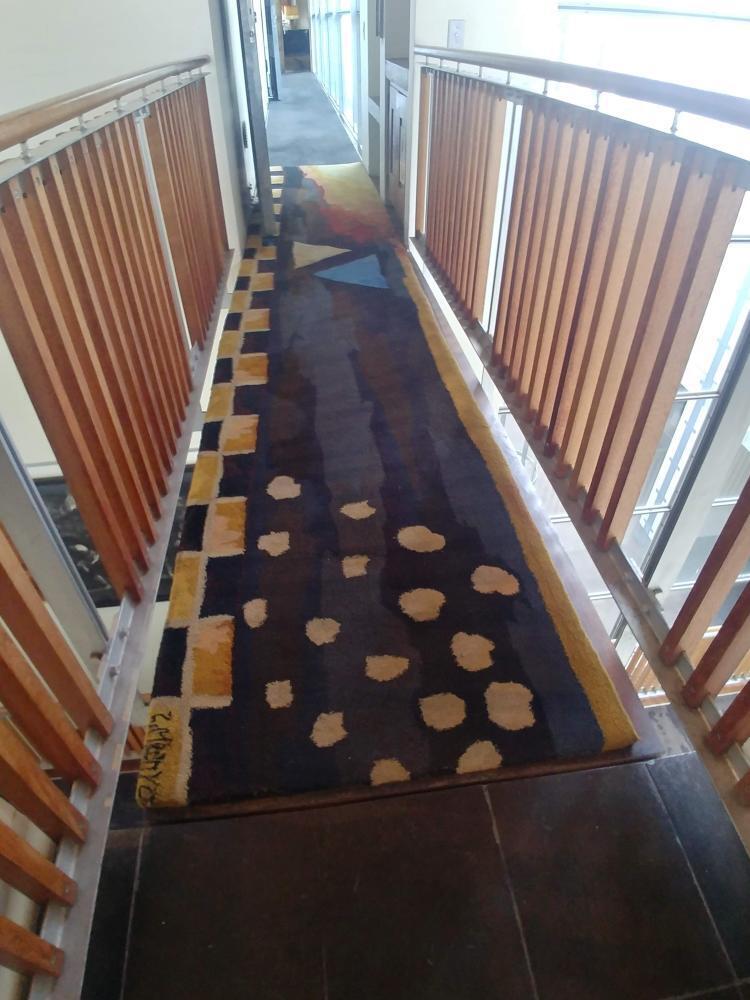
Romeo Zamane Makhanya
Sifiso Ka-Mkame
Court Carpet
CCAC# 0558C
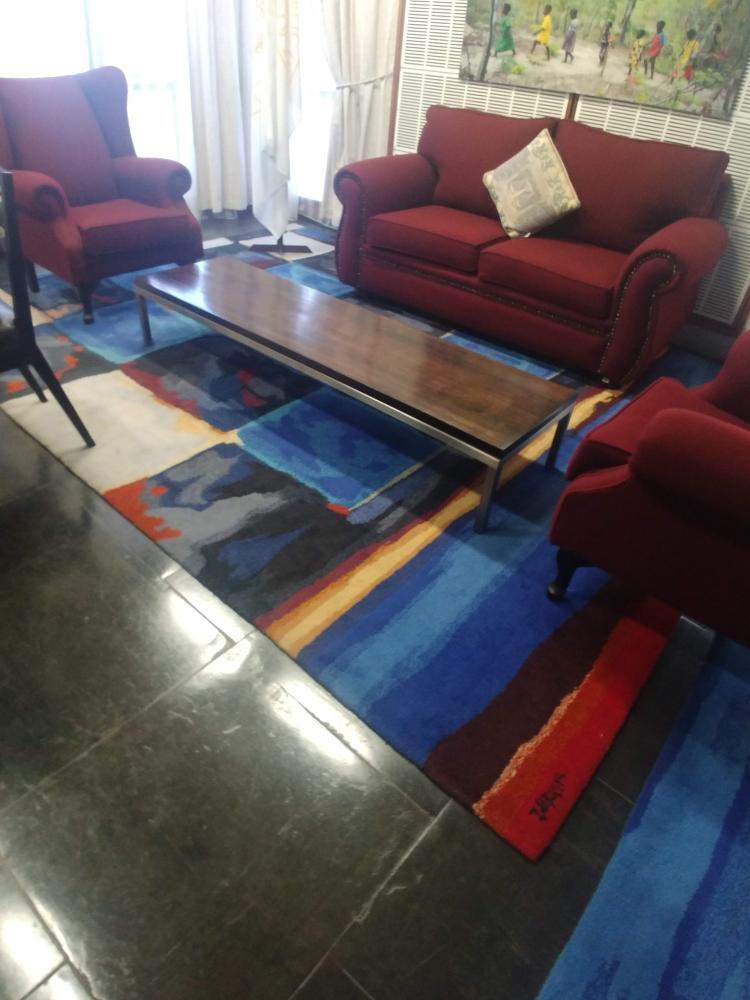
Romeo Zamane Makhanya
Sifiso Ka-Mkame
Court Carpet
CCAC# 0559A
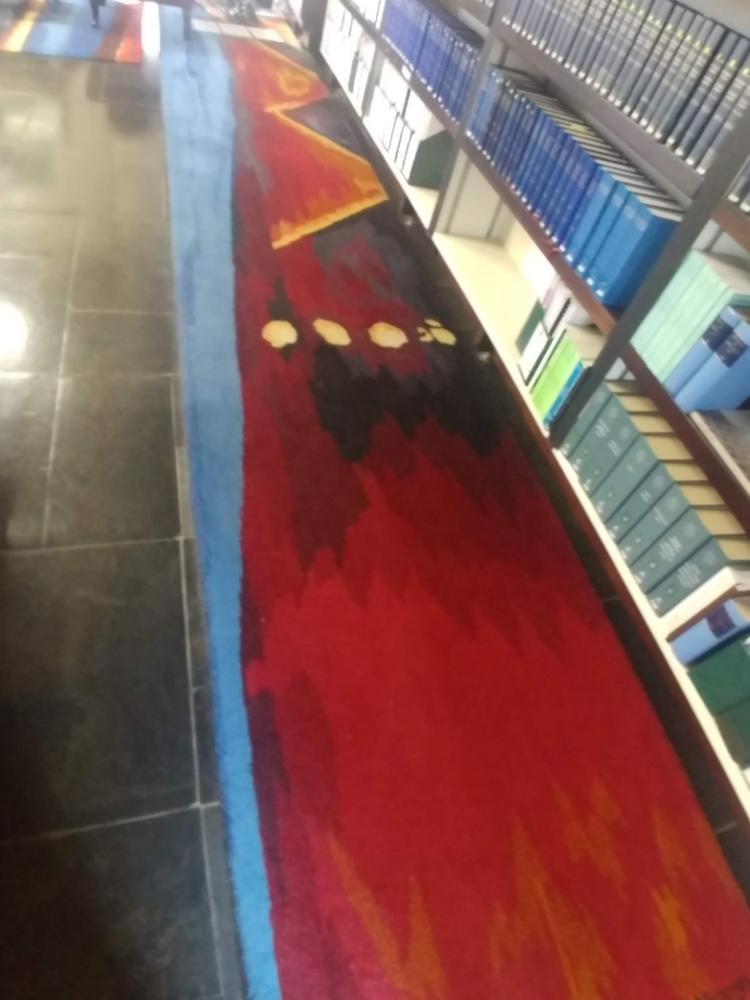
Romeo Zamane Makhanya
Sifiso Ka-Mkame
Court Carpet
CCAC# 0559B
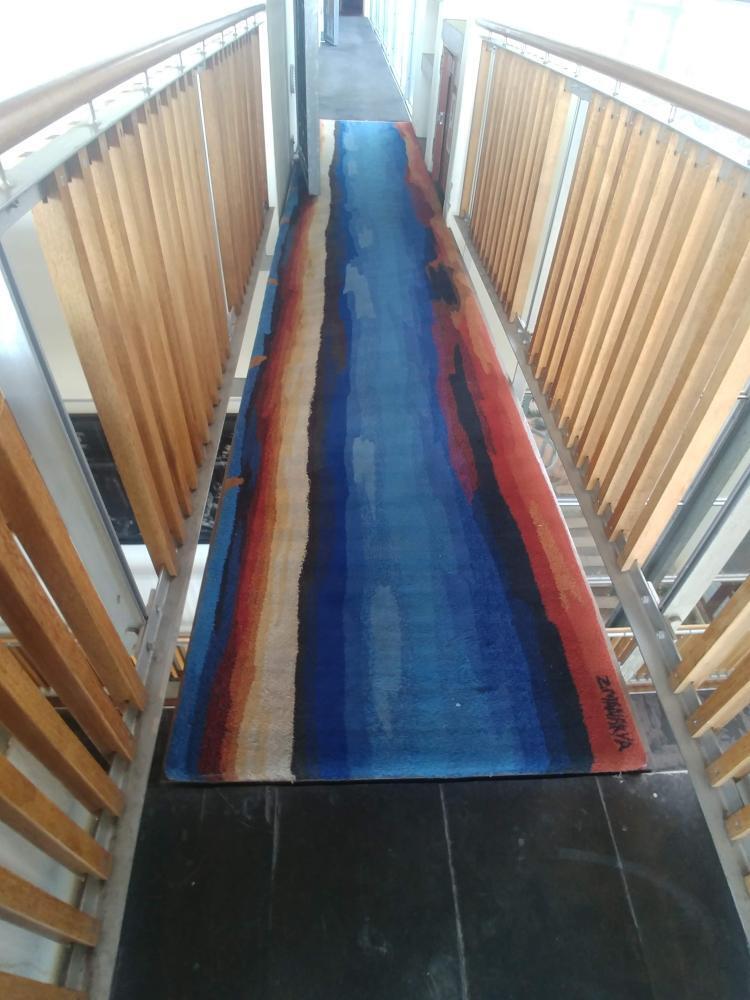
Romeo Zamane Makhanya
Sifiso Ka-Mkame
Court Carpet
CCAC# 0559C
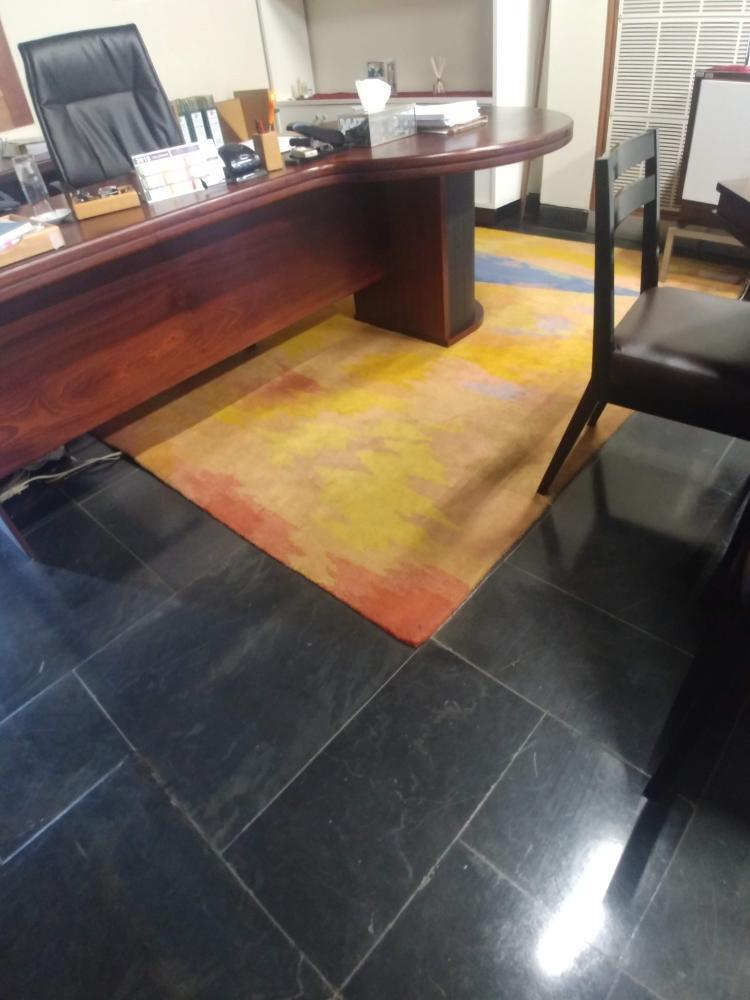
Romeo Zamane Makhanya
Sifiso Ka-Mkame
Court Carpet
CCAC# 0560A
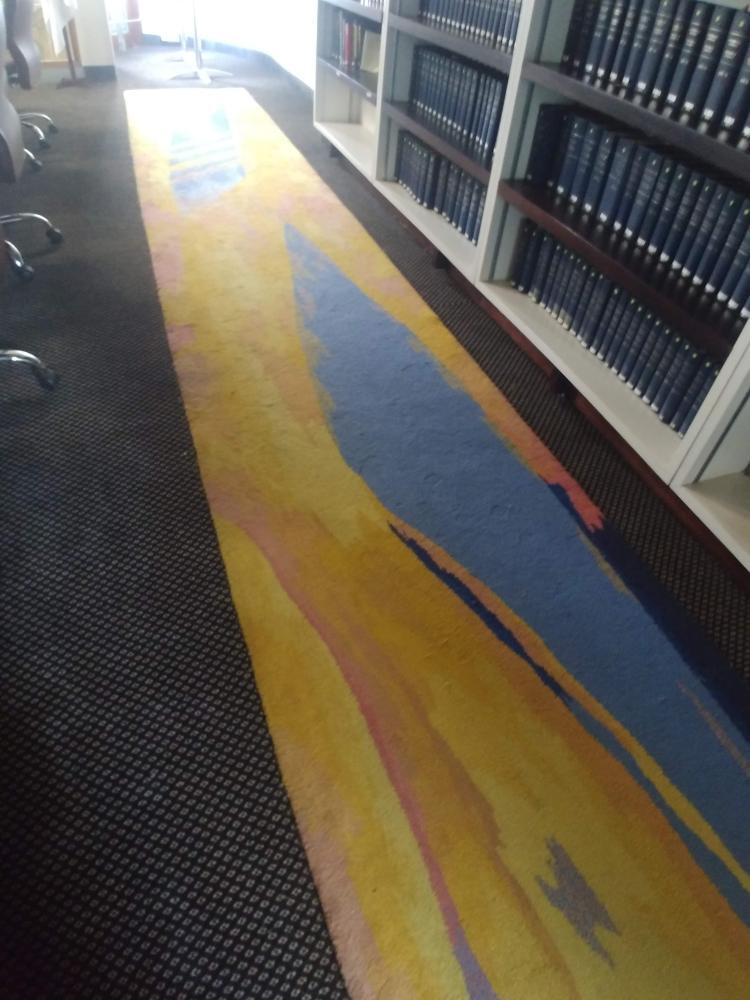
Romeo Zamane Makhanya
Sifiso Ka-Mkame
Court Carpet
CCAC# 0560B
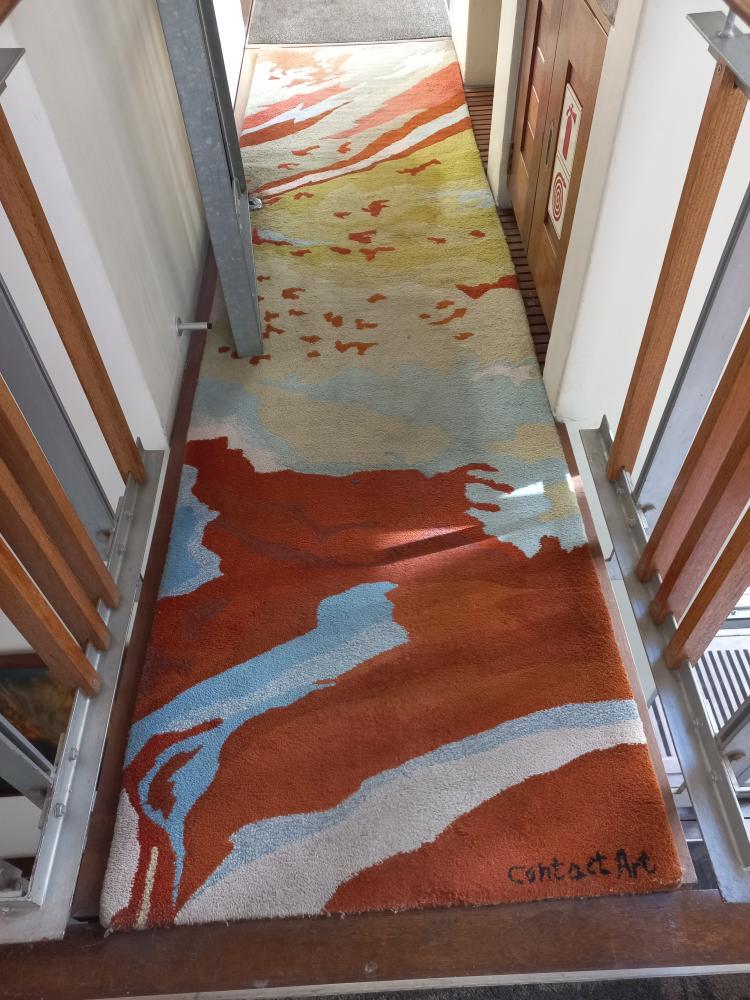
Romeo Zamane Makhanya
Sifiso Ka-Mkame
Court Carpet
CCAC# 0560C
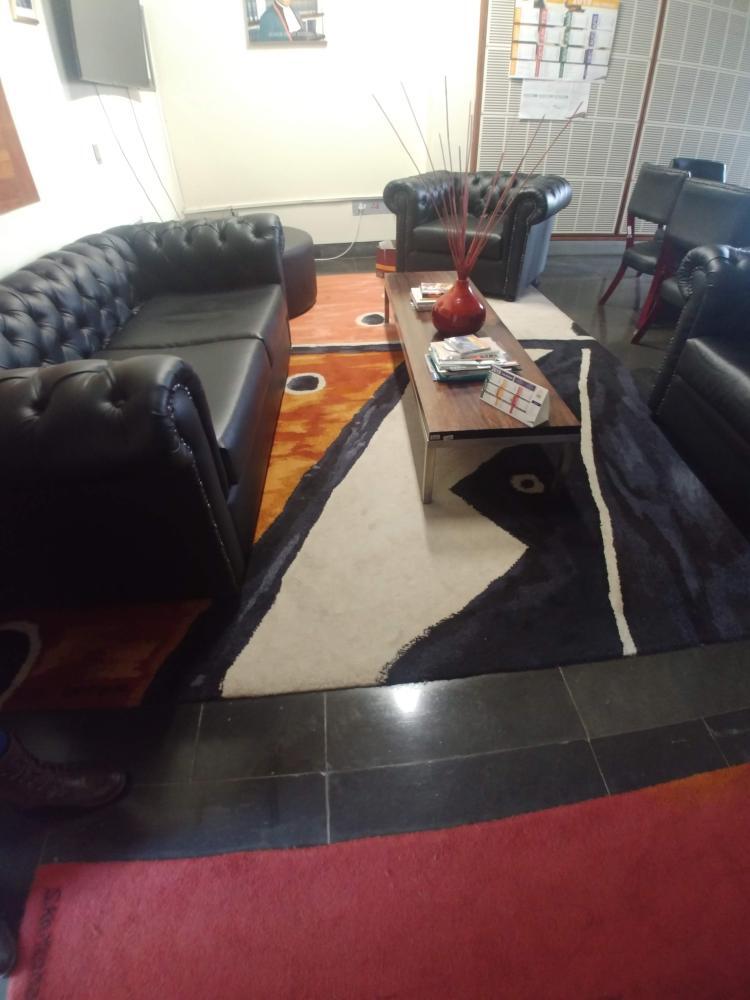
Romeo Zamane Makhanya
Sifiso Ka-Mkame
Court Carpet
CCAC# 0561A
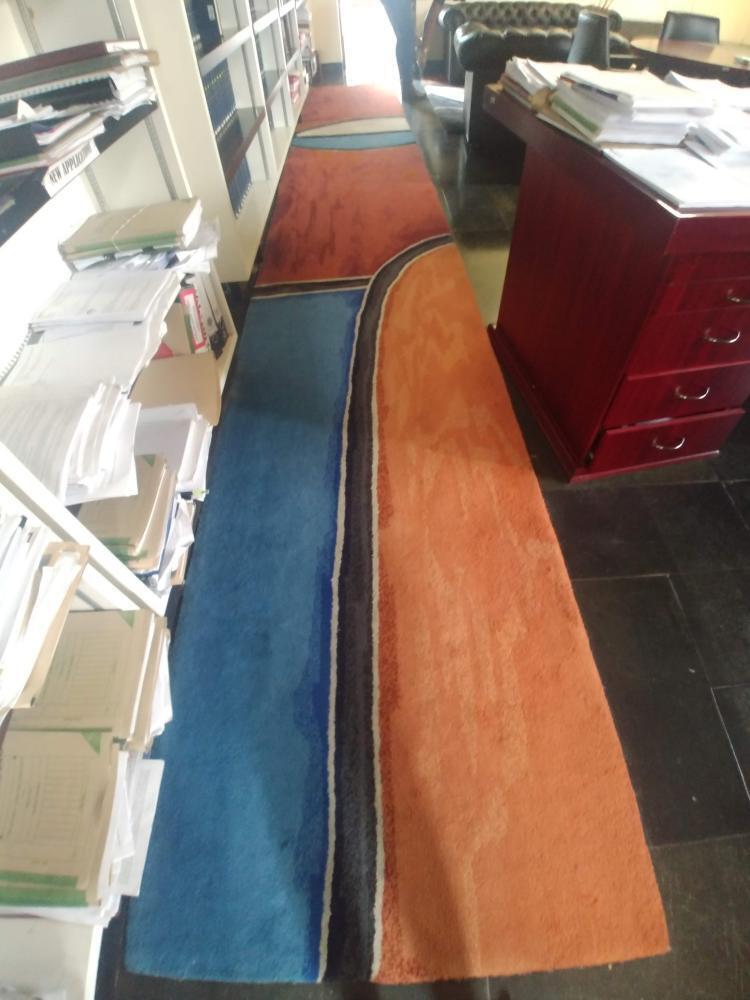
Romeo Zamane Makhanya
Sifiso Ka-Mkame
Court Carpet
CCAC# 0561B